
Defend your ears - How to protect your hearing while shooting
Facts and figures

There are two components to gunshot noise: muzzle blast and sonic boom. The muzzle blast is the powerful, high-pressure wave of hot gas and plasma that erupts from a firearm's barrel when it is fired, creating a loud bang, heat, and sometimes a flash, as pressurized propellant gases suddenly expand and mix with the surrounding air after the bullet exits. A sonic boom is a loud, thunder-like noise caused by shock waves created when an object travels through the air faster than the speed of sound. In case of shooting it is the bullet flying downrange. These gunfire noises can reach levels well over the threshold of pain. Sounds at or above 85 decibels (dBP) can cause hearing damage with prolonged or repeated exposure, with the risk increasing as the sound gets louder. Exposure to very loud impulse sounds like fireworks or gunshots (120-140+ dBP) can cause immediate, permanent damage. Even a single shot can expose ears to more than 150 dBP, enough to cause permanent hearing loss. Small-caliber rifles, air rifles, shotguns, and pistols can generate noise up to 140 dBP, higher-caliber rifles can produce sounds over 175 dBP.
Check this Gunfire Noise Level Reference Chart, based on research by Dr. Clark and Dr. Krammer, to compare noise levels by firearm type. According to Dr. Clark and Dr. Krammer
shotguns noise averages 150–156 dB,
rifles range from 155–163 dB and
pistols noise can spike as high as 164.5 dB
Individuals can reduce their risk of hearing loss by using appropriate hearing protection devices, such as earmuffs or earplugs. Which one to chose depends on many different factors, such as the type of firearm being shot, shooting environment (outdoors vs. indoors), gear being worn etc.
Types of hearing protection for shooting
Passive vs. active hearing protection
When it comes to stopping loud noises, there are mainly two modes of protection - passive and active. Passive hearing protection simply blocks noise from entering the ear canal, while active hearing protection uses technology to block harmful noise while still allowing you to hear what is happening around you. Both - active and passive - hearing protection devices are available as earplugs and earmuffs (see below).
For shooting, active electronic hearing protection is generally superior because it blocks sudden loud gunshots while amplifying crucial sounds like range commands and conversation, unlike passive protection which blocks all sound, hindering communication and situational awareness. Active protection is more versatile for varying environments, while passive is cheaper but limits awareness, making electronic hearing protection the favored choice for serious shooters.
How does passive hearing protection work?
Passive hearing protection creates a physical barrier to block or absorb sound waves before they reach the eardrum, using dense, sound-dampening materials like foam, rubber, or plastic within earplugs or earmuffs to reduce noise levels without electronics. This method relies on insulation and sealing the ear canal, effectively muffling all sounds, both harmful and helpful, by converting sound energy into heat.
Advantages:
Simple, cheap, widely available
Effective at blocking consistent noise
No batteries needed
Disadvantages:
Blocks all sound, making it hard to hear range officers, teammates, important warning signals or game (e.g. when hunting).
They do not provide any amplification of ambient sound.
Requires removal to communicate, breaking the seal and reducing protection.
How does active hearing protection work?
Active hearing protection uses microphones and electronics to monitor sound, amplifying safe noises (like voices) while instantly suppressing harmful, loud sounds (like gunshots) using a built-in limiter or compressor, allowing situational awareness without damaging hearing. This electronic system processes sound in real-time, effectively managing both low-level environmental awareness and sudden noise spikes, unlike passive protection that just blocks everything.
Advantages:
Amplifies speech and radio signals, letting you hear warnings alarms, approaching vehicles or game, or commands, which is vital for safety, without removing the protection.
Instantly reduces sudden, loud noises (impulse sounds) to safe levels while letting quiet sounds through, protecting your hearing from damage.
Many models allow to adjust volume levels and sometimes offer features like Bluetooth for audio streaming.
Disadvantages:
More expensive than passive hearing protection.
Require batteries or a power source
They may not provide as much noise reduction as passive hearing protection in extremely loud environments.
Active hearing protection has become very popular in shooting sports, as it allows the user to hear range commands and communicate with other shooters while still protecting the hearing from loud gunshots. Many models are available with features like bluetooth connectivity to stream audio or make calls, and noise suppression on impulse noise like gunshots.
Earplugs vs. earmuffs
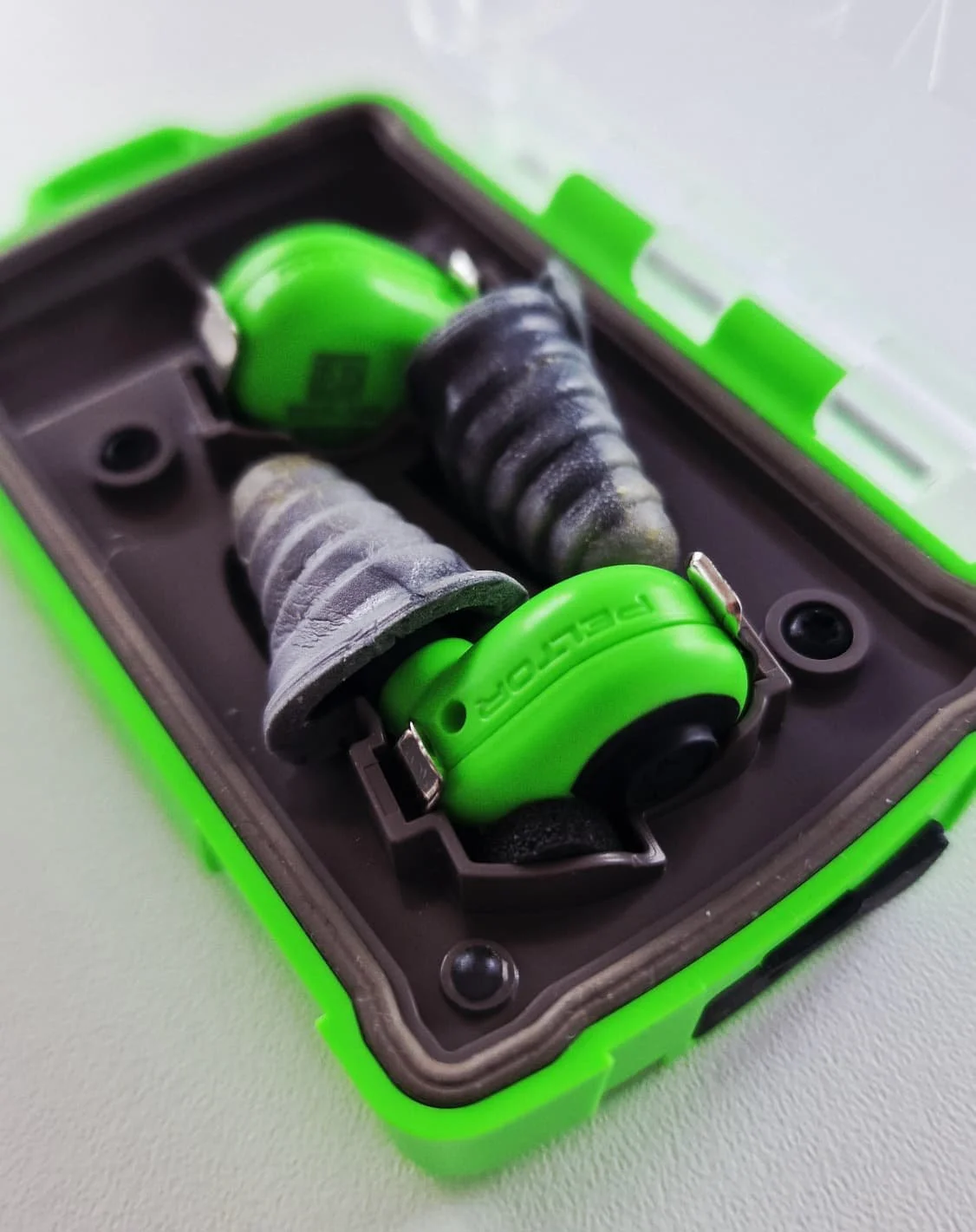
There are two types of hearing protection devices used for shooting: earmuffs or earplugs, both available as active or passive hearing protection. Earplugs are inserted into the ear canal where they block noise. Ear muffs use foam-filled ear cups to cover the entire ear, creating a tight seal that blocks out the gunshot noise. They can be worn individually or combined for extra protection. Because gunfire happens at a rapid and continuous pace in this setting and usually indoors where sound is more concentrated, It is recommended to wear a pair of earmuffs over foam ear plugs to provide the best protection against hearing loss.
What are earplugs?
Earplugs are inserted into the ear canal. They create a seal that lowers sound intensity before it reaches the eardrum. There are different types available, including disposable foam (expanding to fit), reusable silicone/rubber (pre-molded or moldable), and custom-molded versions for a perfect, comfortable fit.
Advantages:
Small and lighweight. They fit into any pocket or range bag, ideal for travelling light or as a backup on hands anytime.
Because of their low-profile fit, they do not interfere with shooting positions, clothing, glasses, helmets or safety gear, ideal for rifle and shotgun shooters as plugs do not disrupt cheek weld or sight picture.
In hot weather or indoor ranges, ear plugs can be more comfortable over long periods since they don’t cover the entire ear. There’s no sense of heat or weight on your head. Many shooters find soft foam or silicone plugs barely noticeable once inserted.
Passive earplugs (such as foam plugs) are very cheap.
High protection with proper fit. A deep-insert foam plug might achieve 30+ dB of noise reduction, enough for most gunfire. Combining earplugs and earmuffs can give an added layer of protection for the most extreme noise situations
Disadvantages:
Earplugs loose their effectiveness when not fitted or inserted properly. Earplugs need some practice to insert properly.
Some people find earplugs in the ear canal uncomfortable or even painful, especially when worn over many hours.
Must be cleaned regularly (or replaced) in order to avoid infections.
Easy to drop or lose due to their small size
What are earmuffs?
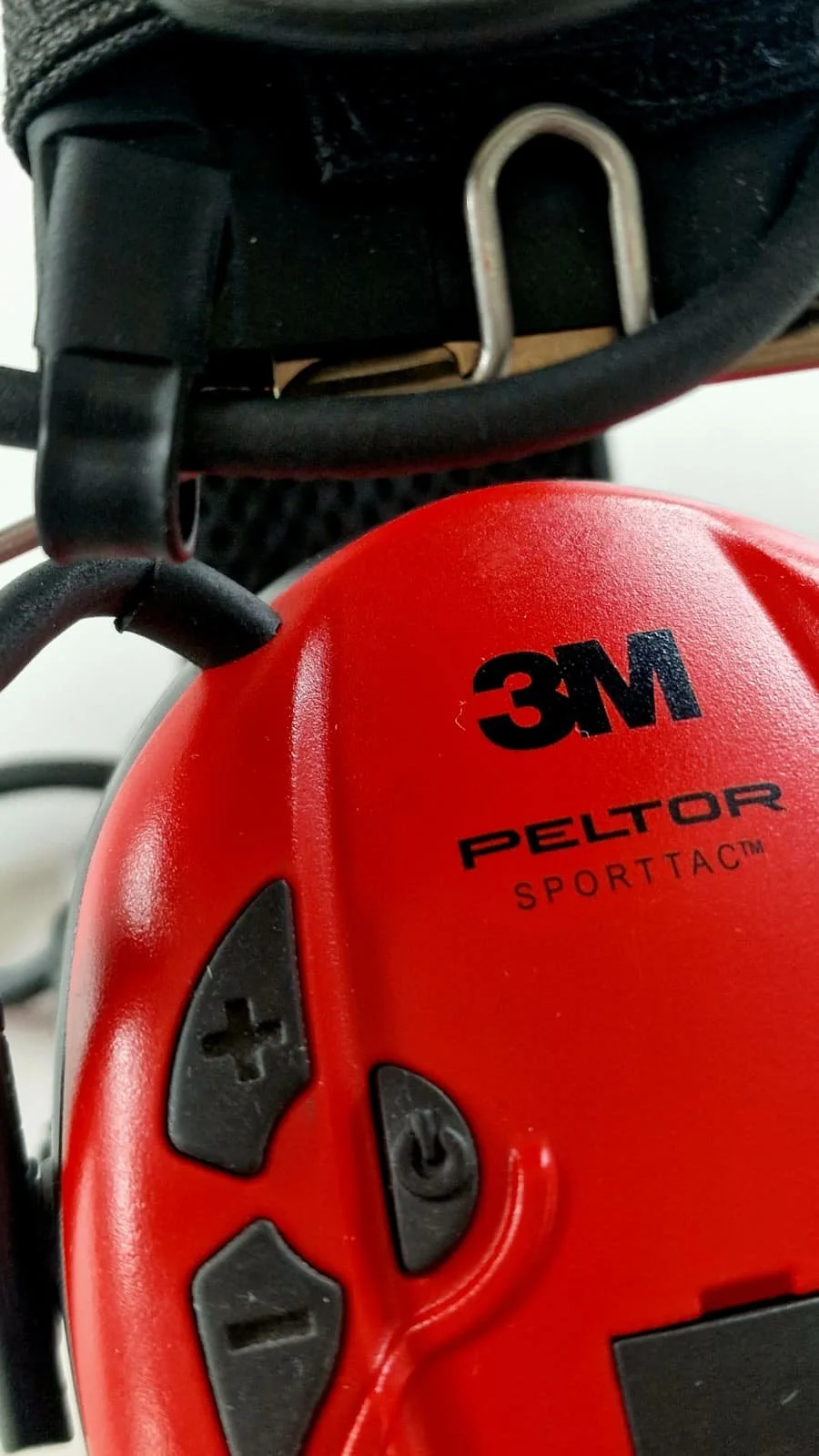
Earmuffs are worn over the ears, connected by a headband, protecting hearing from loud noise and providing warmth by covering the external ear with sound-absorbing or insulating cups. They create a physical barrier, making them easy to use and often preferred over earplugs for quick protection. though they can be less effective than earplugs in extreme noise and uncomfortable in heat.
Advantages
Good earmuffs significantly attenuate noise (typically 25–30 dB). Even basic passive models often meet the recommended protection level for outdoor shooting (around 25 dB SNR).
Well fitting earmuffs protect better by creating a sealed chamber around the entire ear and part of the skull
Easy to use by simply putting them over the ears, without an special fitting required (one size fits all, unless you have a small head like mine).
Active muffs can amplify hearing of ambient sound and conversations while blocking dangerous noise, which makes communication on the range or in the field much easier compared to passive earmuffs or earplugs
A durable pair can last years. They only need occasional cushion replacements or battery changes for electronic units.
Earmuffs keep the ears warm when shooting in colder temperatures.
Disadvantages:
Their bulky profile and the headband can interfere with gear or cheek weld when shooting a rilfe or shotgun. Large muffs might bump aginst the rifle stock.
Their effectiveness relies heavily on a good seal, as gaps from glasses, hair, or hats reduce protection significantly, sometimes making high-attenuation earplugs better in certain situations.
In hot weather or prolonged indoor sessions, ears can get warm or sweaty under the muffs. The enclosed design may become uncomfortable over time, especially if the clamping force is high.
Large to carry around, tricky to store, taking up space in the range bag.
Passive earmuffs muffle alls sounds, making it hard to hear range commands or have a conversation.
Choosing the right hearing protection
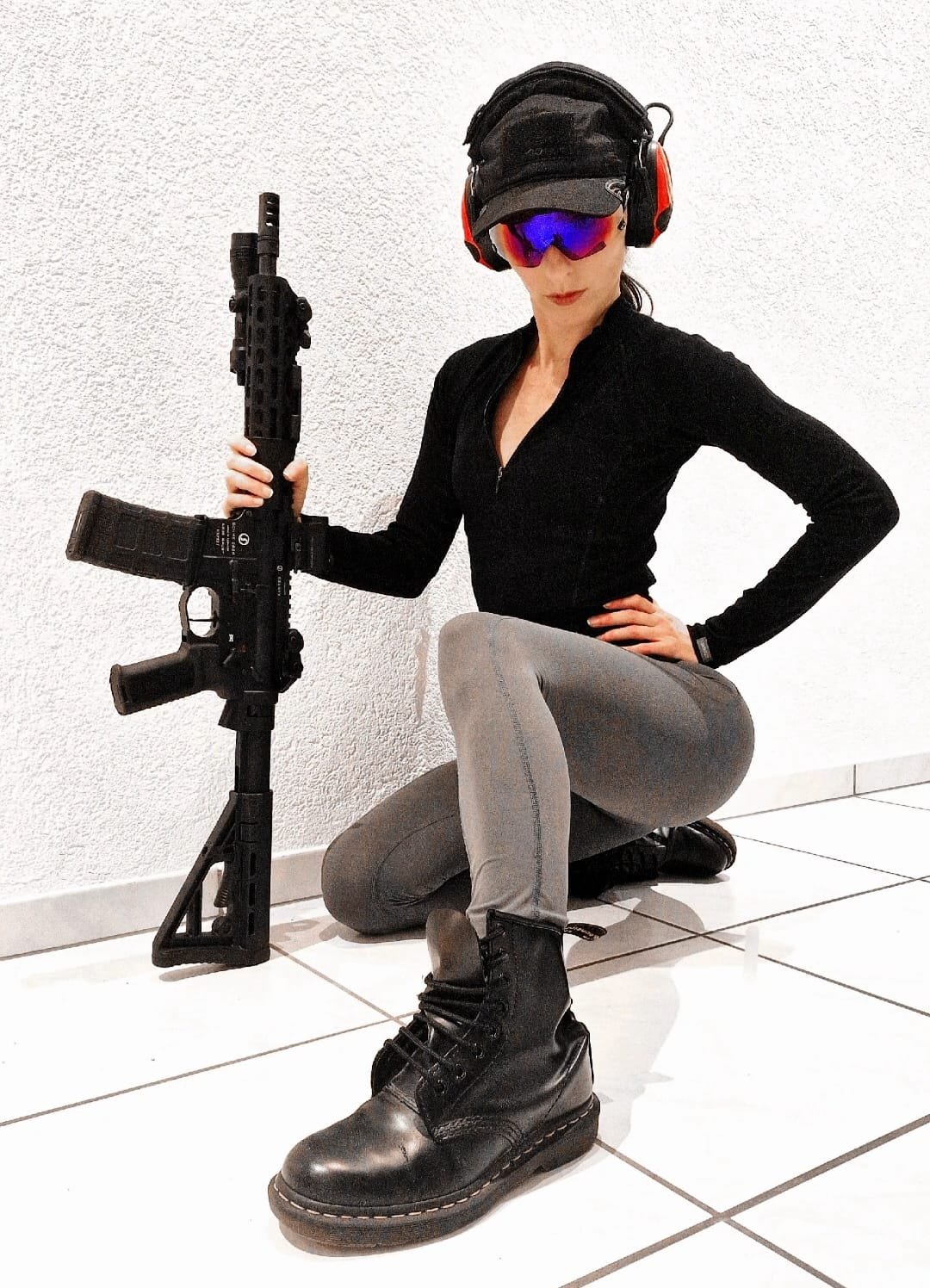
Both earmuffs and earplugs will protect the hearing if used properly, but the best choice depends on your specific shooting needs and personal preferences. There are different factors to take into consideration when choosing hearing protection:
Environment: Guns sound louder in indoor shooting range than in outside ranges because sound waves reflect off the walls, floor, and ceiling, causing intense reverberation and amplification in enclosed spaces, even with soundproofing. Outside, sound dissipates into the open air, spreading out and losing energy. While the initial sound might be similar, the containment and reflection indoors create a much higher and more sustained noise level, requiring significant hearing protection like earplugs and earmuffs
Type of firearm: Different calibers, ammunition and firearms have different noise levels. Louder calibers, ammunition and firearms need more protection, especially when they are shot indoors. Check this Noise Level Chart for reference.
Need for Communication & Hearing Surroundings: If you frequently need to hear range officers, instructors, or hunting companions or game, consider electronic hearing protection.
Use & Activity: Consider when you are wearing your hearing protection device. For stationary shooting, earmuffs are a good solution while earplugs will not snag or shift when moving through bushes while hunting or when changing shooting positions. Helmets, hats, shooting glasses or the stock might interfere with earmuffs. Gel ear seals alleviate pressure and maintain a good seal around frames of shooting glasses.
Comfort & Fit: Personal comfort is an important factor. Some shooters wear earmuffs all day with no issues, while others get headaches or feel too hot with muffs and prefer ear plugs. Conversely, not everyone likes the feeling of plugs in their ears. If possible, try out both styles to see which you can wear for long periods without irritation.
Movement & Field Use: Are you mostly stationary at a range bench, or do you move around (as in hunting or tactical drills)? Ear plugs won’t snag or shift when moving through bushes or changing shooting positions. They also do not bump against a rifle stock. Many hunters favor in-ear protection (passive filters or electronic) for this reason – they are less obtrusive when shouldering a shotgun or rifle in the field. On the other hand, earmuffs are hard to misplace and you cannot accidentally drop one on the forest floor while handling them. If you are the type who might lose small ear plugs, a headband-style defender might be safer.
Budget & Price: Basic passive foam earplugs are the cheapest solution and offer excellent protection. Passive earmuffs are also rather cheap and durable. Active hearing protection, both earplugs and earmuffs are more expensive but bring great convenience and performance.
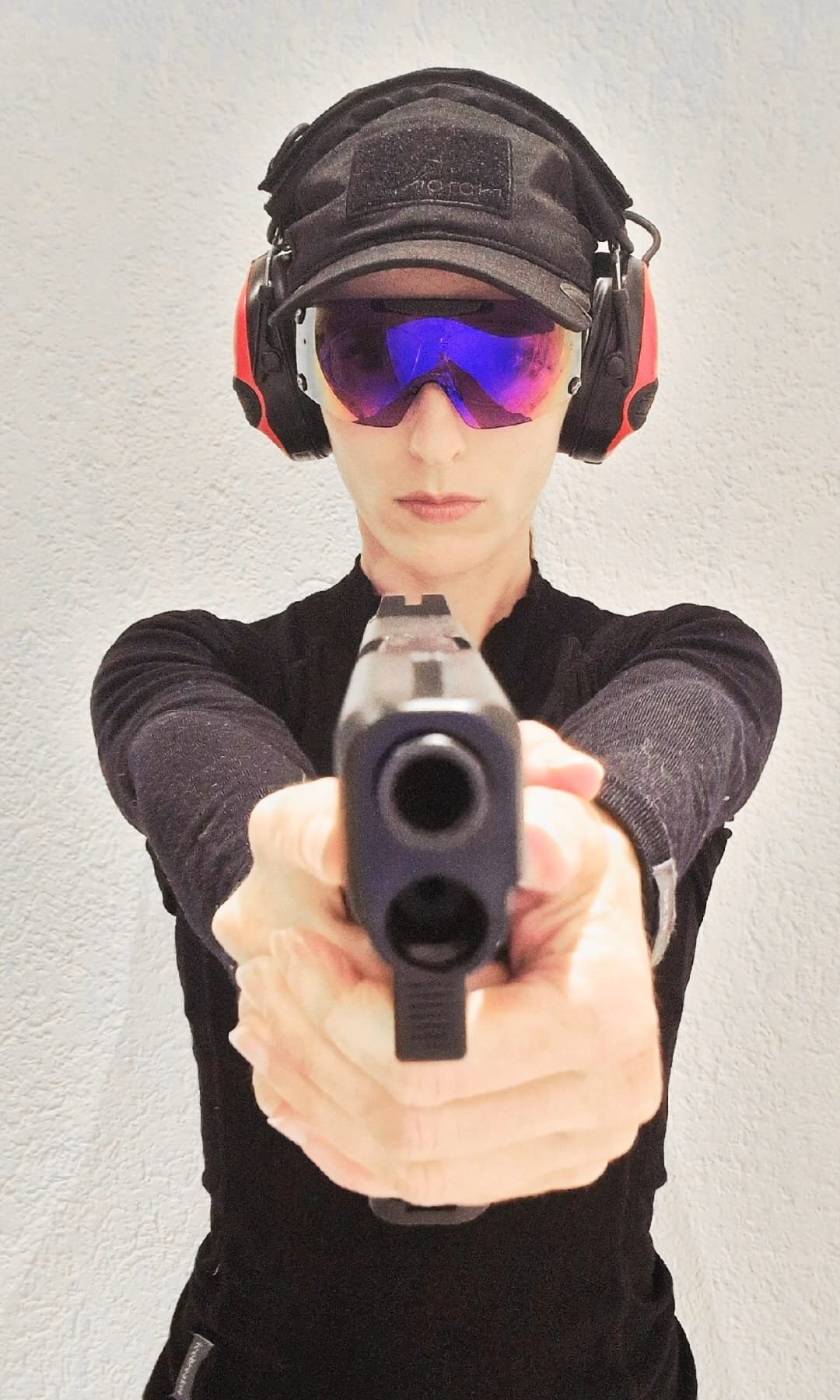
Best is to own both and using them in different scenarios. I personally use active earplugs when shooting clays outside. Shotguns are not that loud and the ranges I frequent are in open fields. My shotgun’s stock bumps against the earmuffs, making it hard for me to mount my gun properly without lifting my muffs off my ear. When shooting pistol or my AR15 indoor, I use passive earplugs under my active earmuffs for better protection.
Whatever you choose, check the attenuation rating (SNR). SNR (Single Number Rating) hearing protection is a European standard rating in decibels that shows how much noise a device like earplugs or earmuffs can reduce. Subtract the SNR from the measured noise level (in dB) to estimate the sound level reaching the ear; the goal is a residual level of 70-75 dB.
Wearing both earplugs and earmuffs (or custom plugs) significantly increases protection: Passive plugs used with electronic muffs (double plugging) offer maximum protection for very loud indoor ranges.
Tips To Protect Your Hearing
Always wear hearing protection when shooting or when around gunfire.
Choose a hearing protection that is comfortable to wear.
Practice wearing your hearing protection before being exposed to loud sounds.
Always carry your hearing protection in your firearm case or your range bag.
Double-protect your ears by putting earmuffs over earplugs.
Choose smaller caliber firearms for target practice and hunting.
Use a suppressor.
Choose single-shot firearms instead of lever action, pump, or semi-automatic guns.
Avoid shooting in enclosed spaces.
If you plan to shoot at an indoor facility, choose one that has been acoustically treated for reverberation and wear double hearing protection.
Did you know you can damage your hearing even if you are wearing the best hearing protection available?