
Swiss Defense Industry - RUAG
Air surveillance
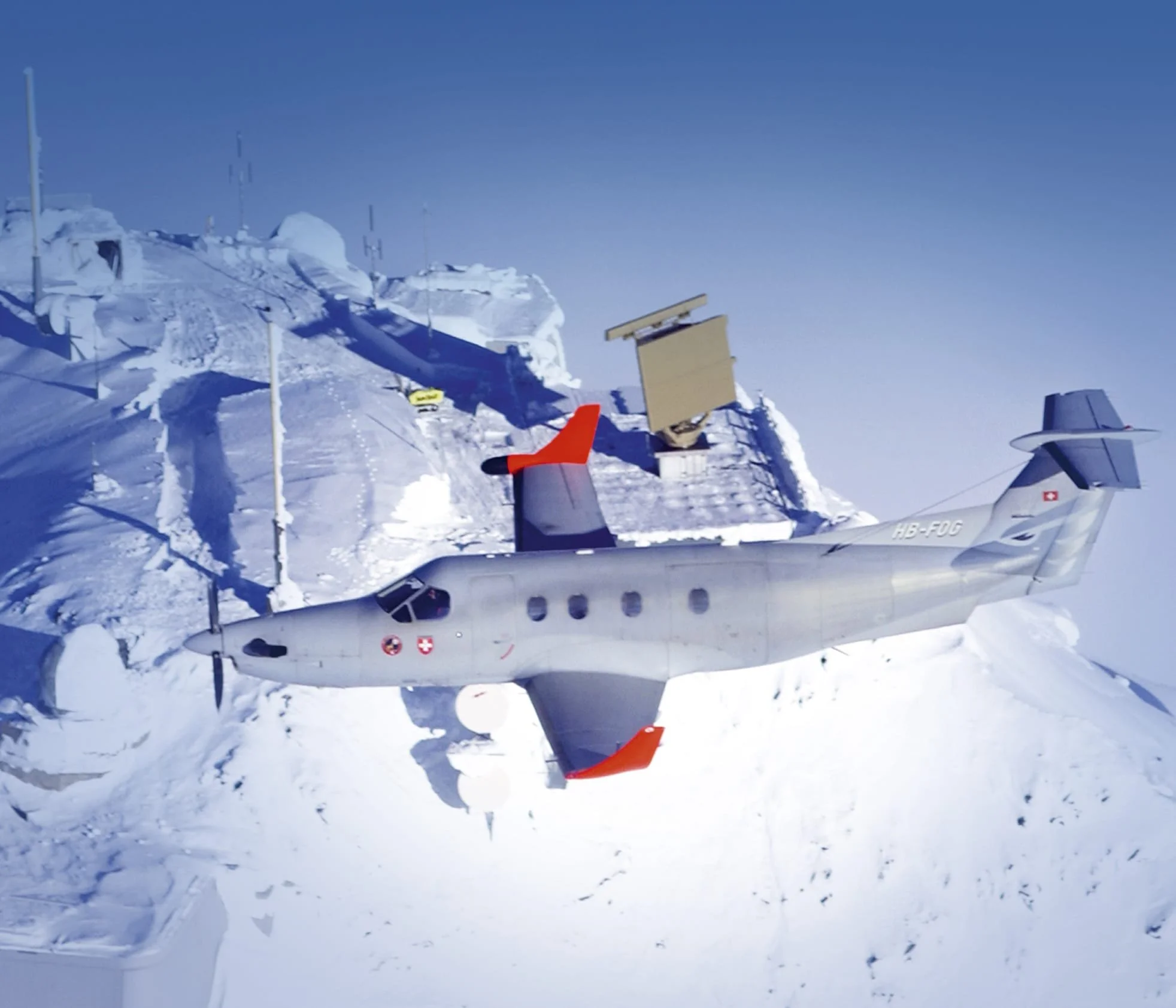
One of the classified radar stations in the Swiss Alps.
Hearing the term «FLORAKO», an ordinary person rather thinks of something botanical than air defense. The flowery acronym stands for «Florida Radarersatz Radarluftlagesystem Kommunikationssystem» (which translates to English as «Florida Radar Replacement Air Radar System Communication System»), which was officially introduced and put into operation by the Swiss Air Force on February 2, 2004. FLORAKO is a radar and airspace monitoring system for civil and military airspace surveillance. It detects flying objects such as civil and military aircrafts, helicopters and drones and coordinates missions of the Swiss Air Force. Generated by radars, the air situation picture is complemented by the sensors of tactical aircrafts and ground-based air defense.
Composed of primary radars, which detect flying objects by evaluating reflected electromagnetic waves without active feedback, and secondary radars, which actively cooperate with airborne target objects by transponder, and further subsystems for simulation, FLORAKO provides the Swiss Air Force a precise overview of the airspace in real time. The four locations of the radars are classified and therefore not publicly accessible.
Strategic partner of the Swiss Military
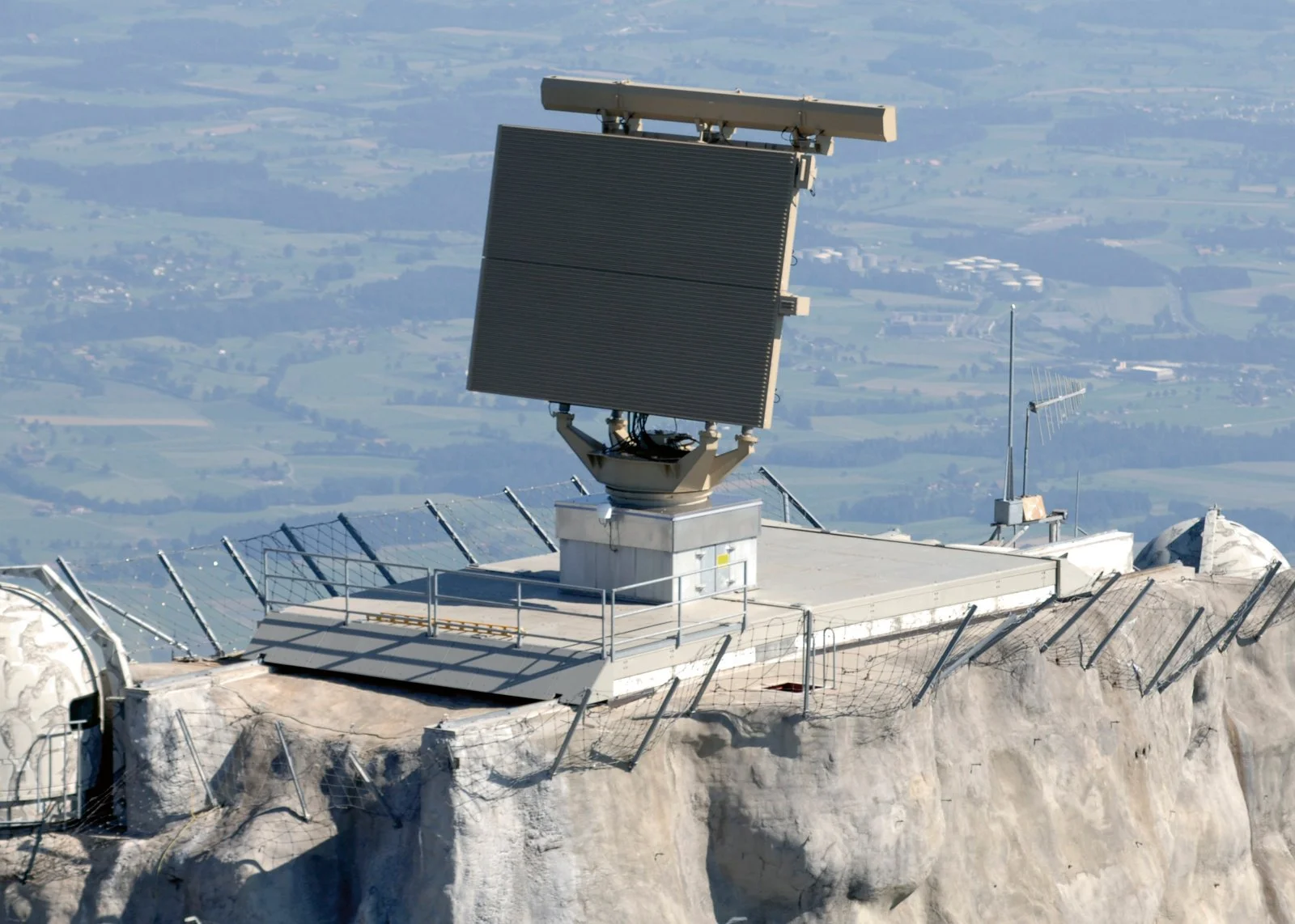
RUAG supports the Swiss Armed Forces in maintaining and upgrading the sensor systems of the FLORAKO system to ensure the security of Swiss airspace.
Responsible for maintenance and service of FLORAKO, is the strategic partner of the Swiss Army RUAG, located in Wangen near Dübendorf in Switzerland. With more than 15 locations domestically and internationally, the defense contractor owned by the Swiss Federation, is one of the most significant tech companies and a very imporant employer in the Swiss industry. A group of about 30 people - organized by the Swiss Shooting Range - could exclusively visit RUAG’s loaction in Dübendorf on a Friday in June 2026, .
During the visit on site in Dübendorf, the participants learnt that RUAG is responsible of maintenance and service of one of the highest radar stations in the world. Located on around 3100 m.a.s.l. the radar station with a coverage far beyond the Swiss border, consists of a multi-level bunker and has its own cable car. The station’s main purpose is airspace surveillance during times of peace as well as air policing.
The division SIGINT (Signals Intelligence) is overseen by RUAG in Wangen near Dübendorf as well: The reconnaissance systems includes both COMINT (Communications Intelligence) and ELINT (Electronic Intelligence) for analyzing electromagnetic emissions. For intelligence purposes, however, these tactical reconnaissance systems are used only to monitor foreign countries.
Life-Cycle-Management
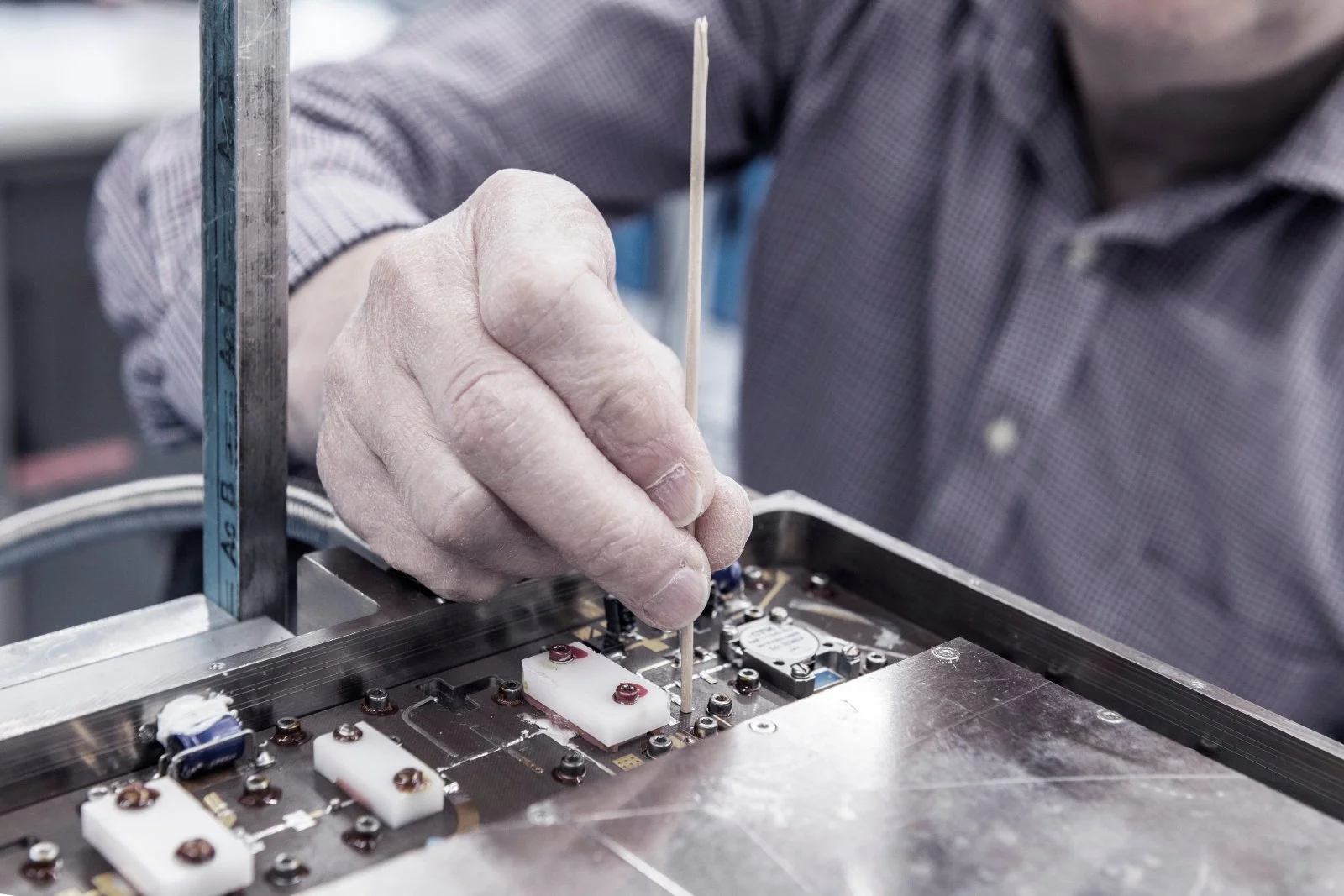
Another important task of RUAG is the maintenance of ground-based weather stations, a central monitoring and information system for meteorological data that was specifically developed to ensure safe operations at Swiss Army airfields. It serves air traffic controllers and emergency responders as indispensable basis for decision-making. In Dübendorf, RUAG collaborates with Skyguide, Switzerland’s leading provider of air navigation services. While Skyguide is responsible for air traffic control, also at the Air Force Operations Center, RUAG handles the life-cycle management and technical operational readiness of the systems.

The participants of the Swiss Shooting Range’s tour through RUAG’s Dübendorf site, gained exclusive insights into the various divisions, could examine the radar systems up close, and ask the technicians questions. Since RUAG is responsible to ensure the proper functioning of the radars and other equipment, these systems are inspected preventative for damage and malfunctions. Innovative simulation environments allow comprehensive testing of the radars and systems. Employees working for RUAG must not only be technically skilled and able to handle administrative tasks reliably, but also be physically fit, depending on their area of work.
For field assignments, RUAG primarily looks for hands-on professionals who value reliability and the highest safety standards. Electronics technicians, polymechanics, and automation engineers are particularly sought after for maintenance work on radar systems. These professionals undergo further training at RUAG and are certified as ATSEP technicians; some also receive certification as mast climbers.
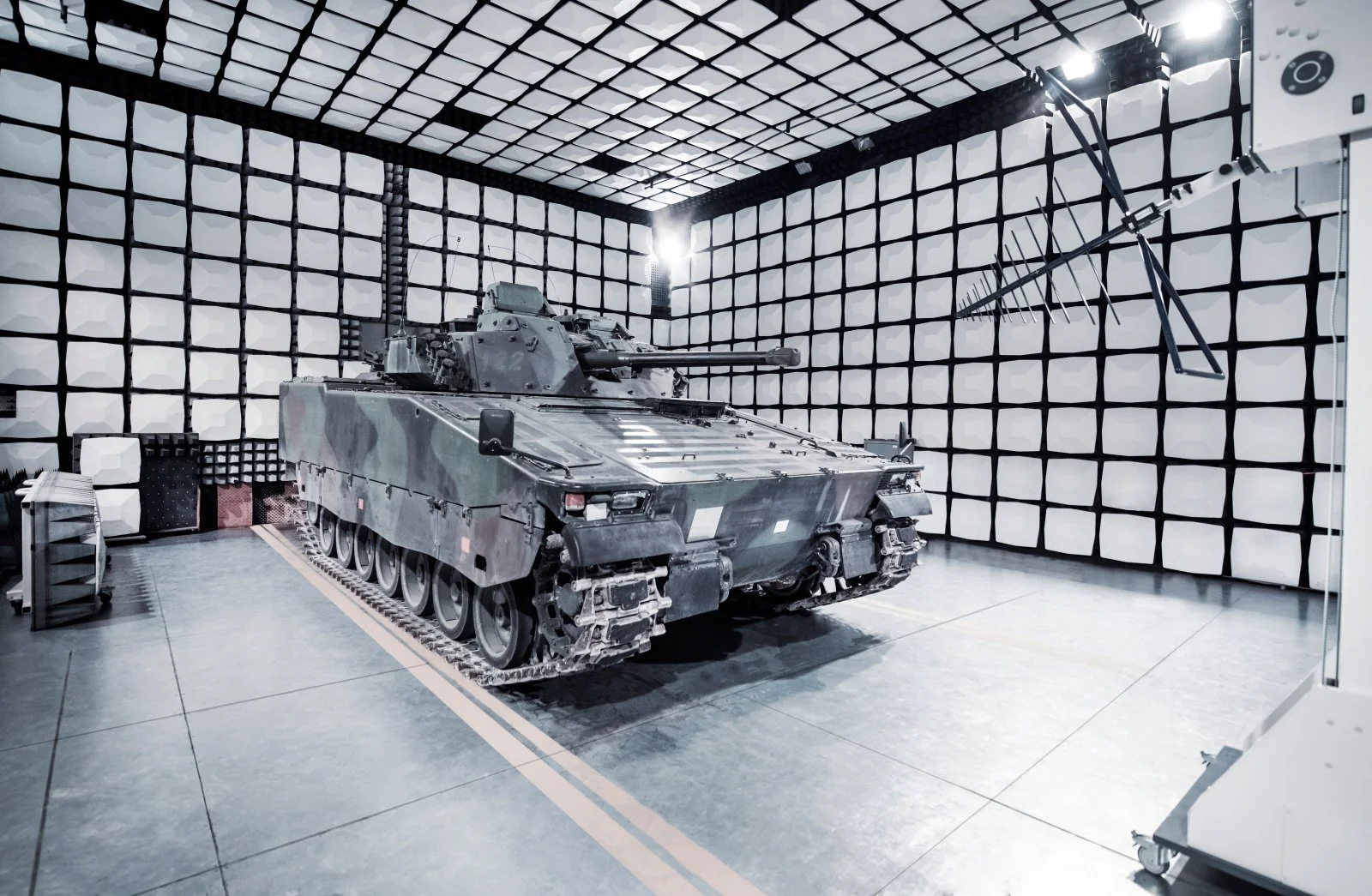
After touring the facility in Wangen near Dübendorf, the tour participants were given the opportunity to view a radar system up close at the end of the tour. The radar station on Wangenerberg, a popular recreational area, is a restricted military zone and is normally not open to the public. The site went into operation in 1958 as part of the legendary FLORIDA surveillance system, the predecessor to FLORAKO. Today, the site is primarily used for maintenance and training purposes.
At the end of the factory tour, participants of the tour organized by the Swiss Shooting Range enjoyed refreshments on Wangenerberg. Special thanks goes to Daniel Brunner, who made the tour possible in the first place and ensured it was perfectly organized, as well as to all RUAG employees who generously shared their knowledge and made the tour as successful as it was.