
Swiss Gun Law explained - How to store a weapon properly
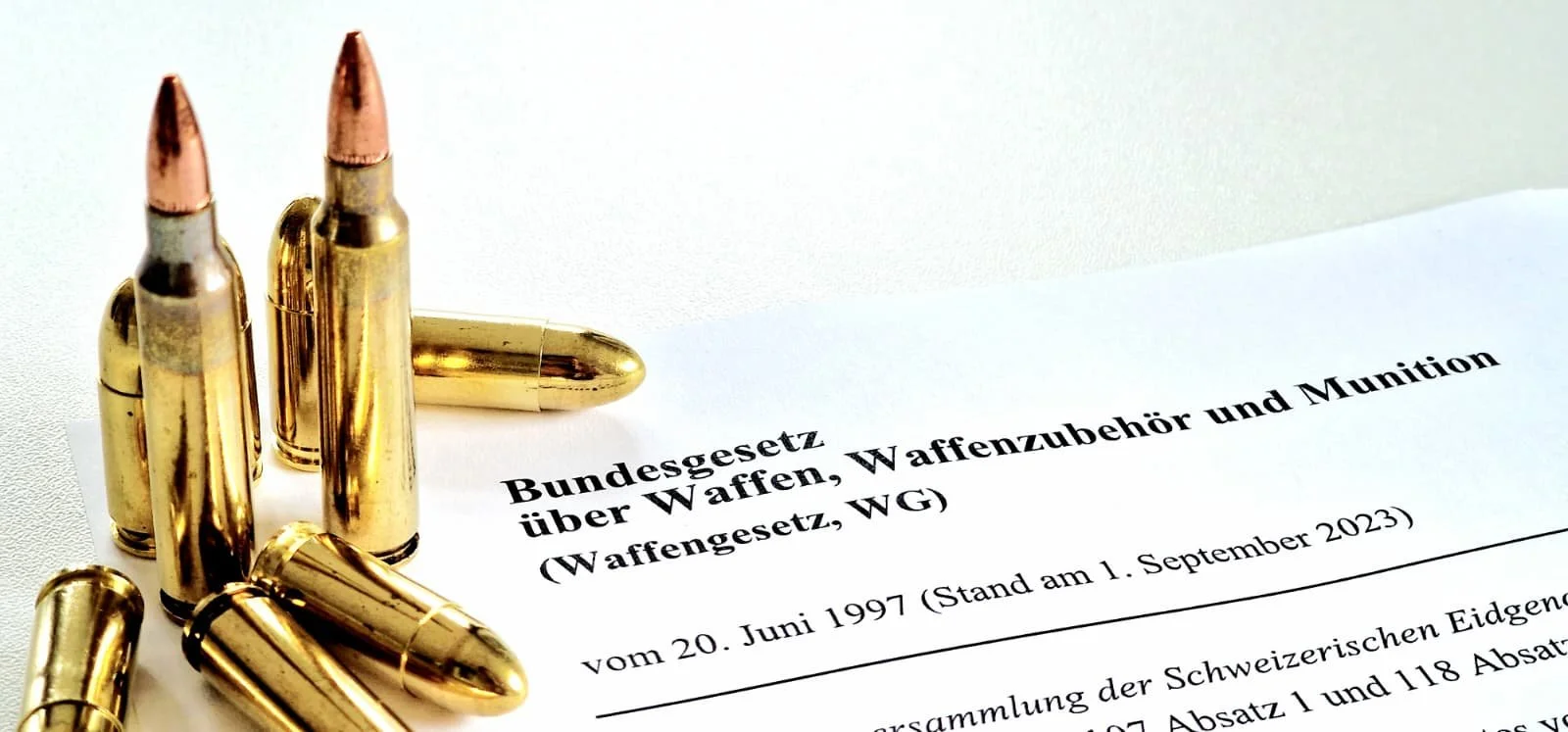
The storage of weapons, essential weapon components, ammunition and ammunition components in Switzerland is regulated in the Federal Act on Weapons, Weapon Accessories and Ammunition (Weapons Act, WA). However, art. 26 WA is rather vague and often leaves gun owners confused and uncertain on how to properly store their weapons and ammunition. Art. 26 WA simply states that weapons, their essential components, ammunition and ammunition components “must be kept in a safe place and protected from access by unauthorised third persons”.
The legislatur deliberately ruled the storage of weapons broadly so that the safety measures to be taken can be tailored to the specific circumstances of each individual case. Depending on the type of firearm or the living circumstances (for example, if children live in the household of a gun owner), greater care is required when storing the firearm.
But what does this mean in practice?
Careful storage and protection against access by unauthorized third parties
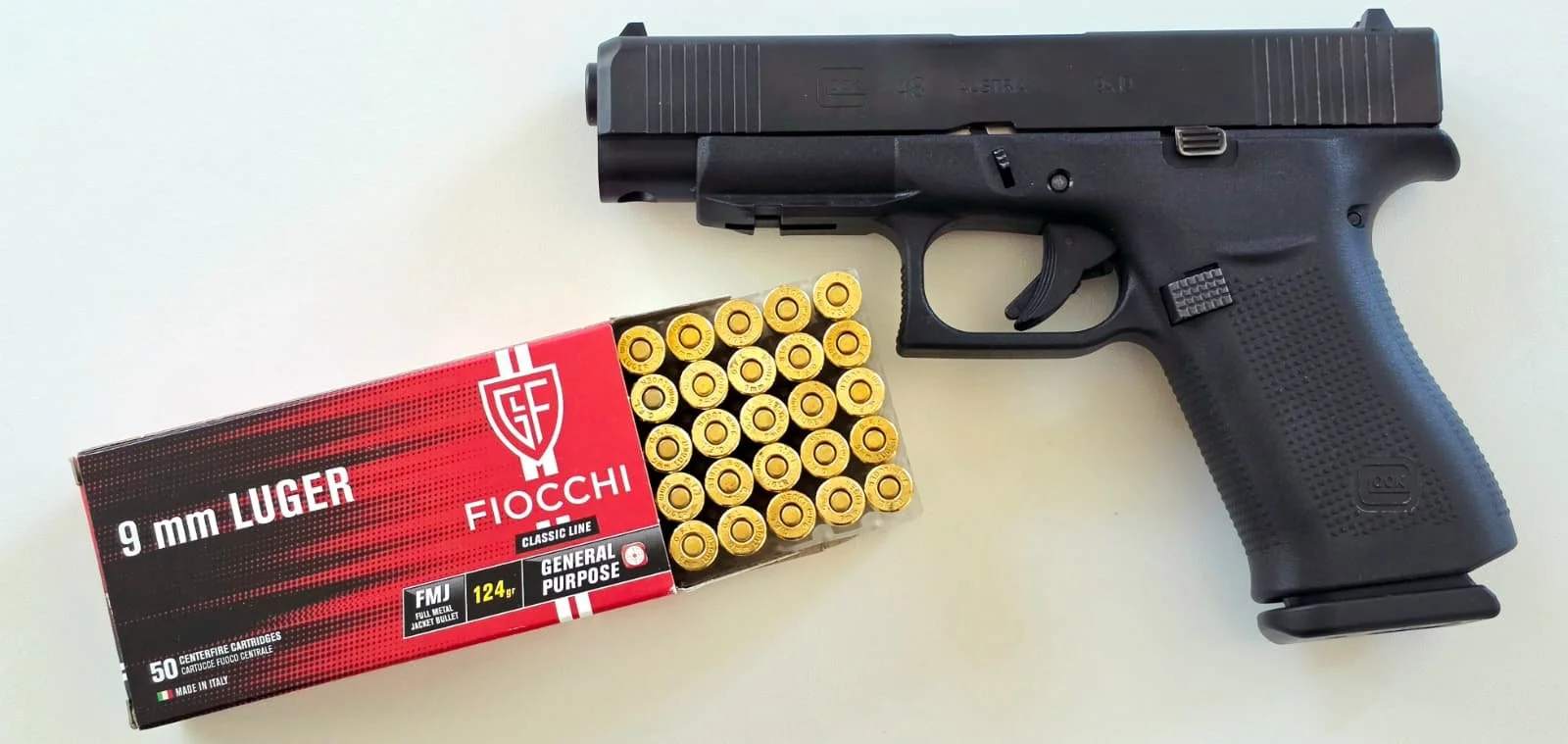
The Weapons Act does not state how exactly a firearm, its essential componentes and ammuntion must be stored, for example in a safe, a gun storage cabinet or a lockable room. Rather, the level of care required by law is measured by the criterion of protection “against access by unauthorized third parties.”
Who are these “unauthorized third parties”, or - by extension - who might be “authorized third parties”? The law remains mute on this as well. A light sheds the decision of the Federal Court 2C_113/2025 from November 13 2025: In its ruling, the court had to address the question of who is meant by “unauthorized third parties” in art. 26 WA. During the parliamentary debate in the National Council on March 4, 1997, it became clear that the intention was to take into account the fact that weapons are often shared within a family. The adjective “unauthorized” (third party) was included in the text of the law with the aim of permitting the joint storage of firearms within the family, so that, for example, a father would not have to protect his firearms from being accessed by his son, who is an active member of a shooting club. In this context, “unauthorized third parties” are therefore defined as all persons other than family members living in the same household, provided they possess firearms of the same category, namely provided their firearm ownership is based on the same acquisition authorizations (E. 5.4). Unauthorized third parties include, for example, minors, as they are prohibited from acquiring a firearm (art. 8 WA).
This means that weapons, their components and accessories, as well as ammunition, must be stored in such a way as to prevent access by any third parties.
The only exceptions are individuals who meet all three of the following requirements:
family member,
residing in the same household, and
owning firearms of the same category
As mentioned above, the Weapons Act does not specify “how” the firearm must be stored. The best and safest way to store it is in a safe, a gun cabinet, or a lockable room to which only the owner of the firearm has access. This ensures that the requirement for careful storage mandated by law is met in any case, and the gun owner is on the safe side. Unfortunately, there is no decision of Federal Court on this matter. According to a 2015 ruling by the High Court of the Canton of Zurich, locking a firearm in a car is also considered careful storage. Therefore, it can be concluded that any method of securing the weapon in a container that is not easily stolen is considered proper storage, provided that only the authorized person has access to it, so that only that person has the keys or the access code.
For example, if a person lives alone in an apartment or a house and is the only one with the keys to the apartment or house, the criteria for careful storage and protection against access by unauthorized third parties are met, if the house or apartment is locked. The gun owner theoretically could leave his firearms openly on the dining room table. If, on the other hand, a person lives with minor children, a different standard of care applies, and the weapons must be locked away in such a way that the children cannot get their hands on them.
(Geographic) Location of Storage
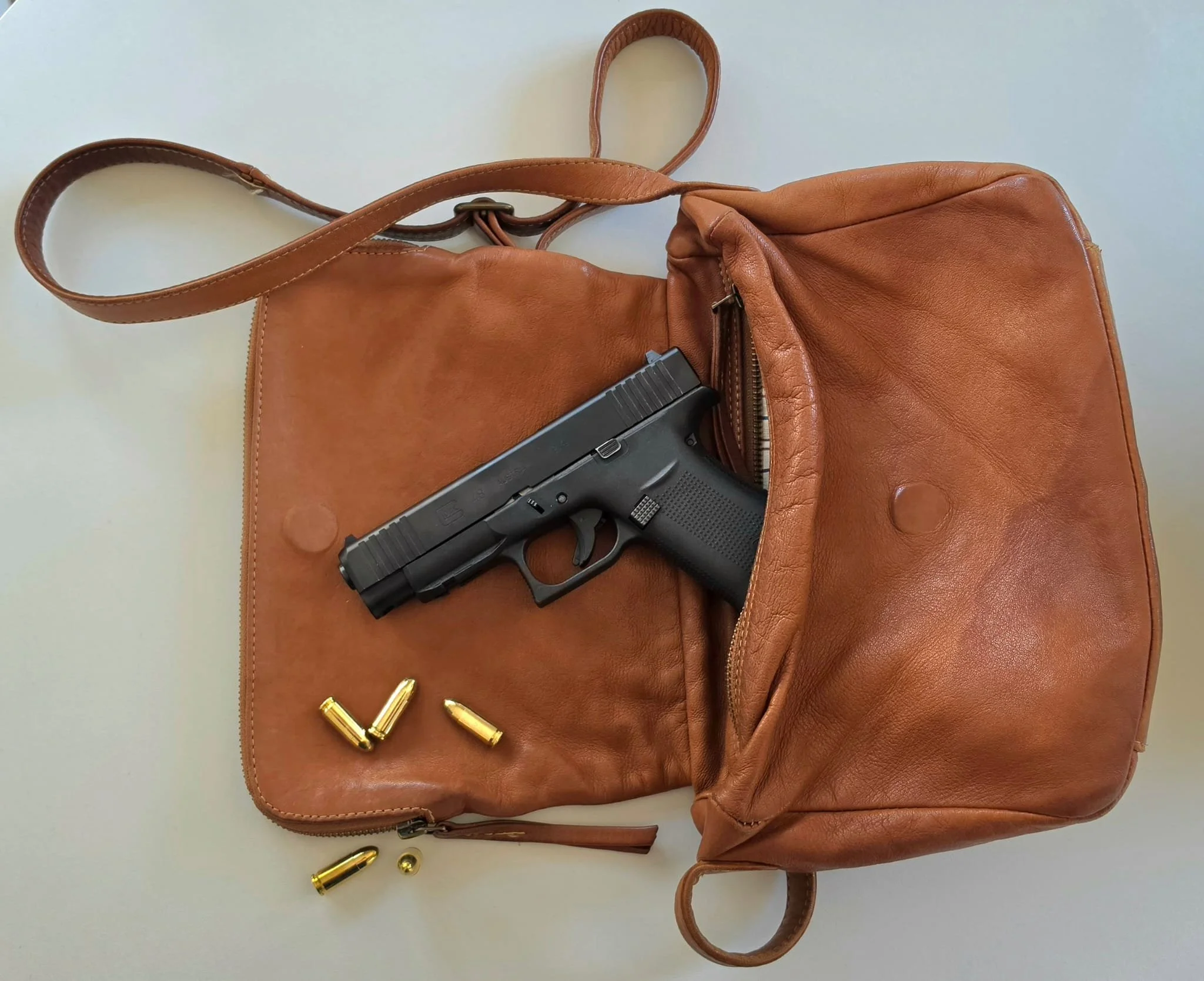
Nor does the law specify where gun owners must store their firearms, e.g. “at home” or at their place of residence. For example, it is permitted to store firearms in a safe or gun cabinet outside one’s own household (such as in a vacation home or in a rented safe at a trusted shooting range), as long as, as explained above, no unauthorized third parties can gain access to the firearm.
Attention! For firearms acquired under a “major” exemption permit, the cantons may impose conditions and, for example, require the authorized person to designate a storage location for the firearm and to report any changes to that location immediately. Collectors are strongly advised to carefully read the conditions on their permit and strictly comply with them.
Do you have any questions or is anything still unclear? Post your questions in the comments, and I'll try to answer them!
Swiss Gun Law explained
Subscribe to gracefulinsights.space WhatsApp Channel