
Deutsche Version
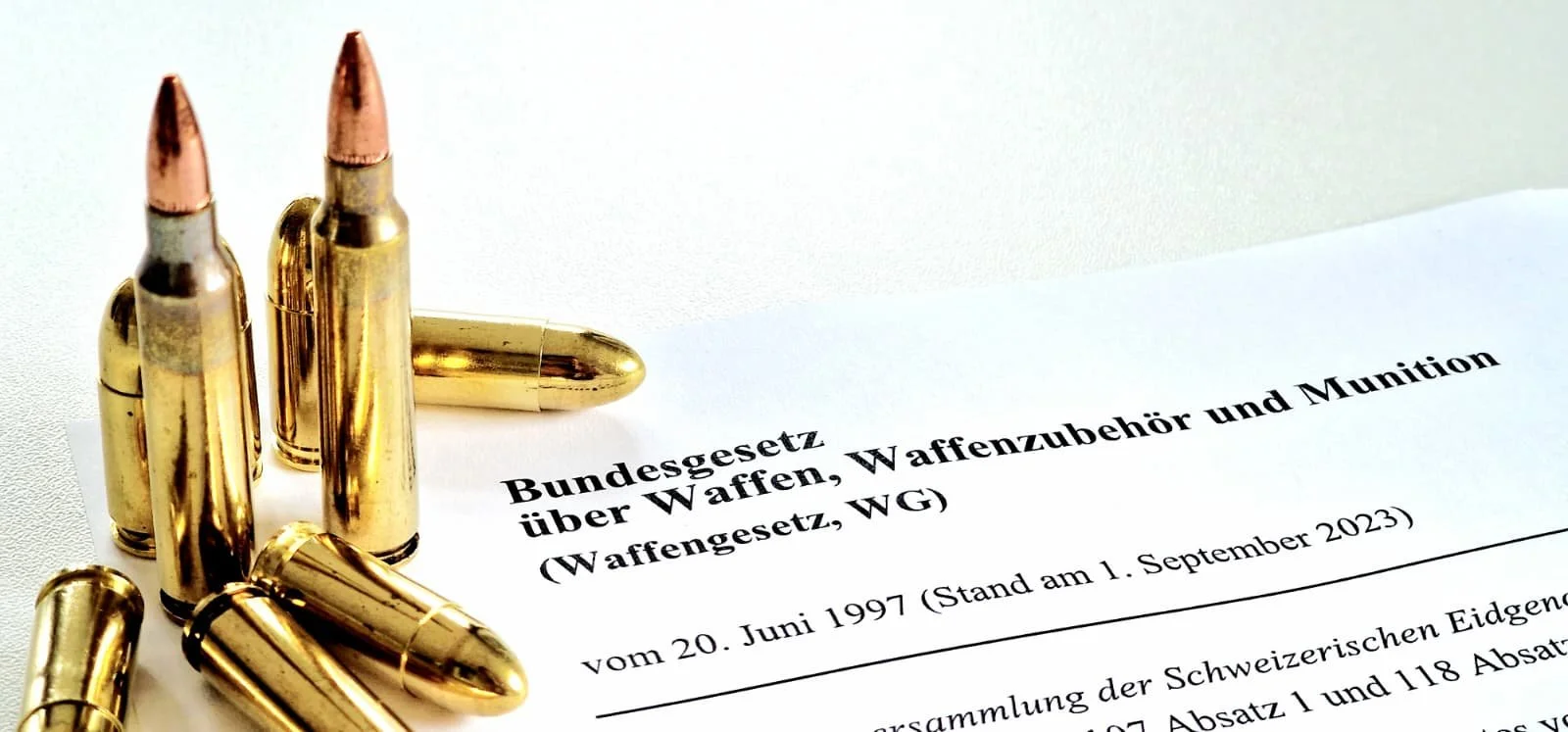
In Switzerland, carrying firearms in public places is generally prohibited. To legally carry in public, an official permit to carry a firearm is needed (Art. 27, paras. 1 and 2, Weapons Act, WA). In practice, permits to carry are rarely granted in Switzerland, only when credibly substantiating that there is an actual and imminent threat to life, limb, or property (e.g. persons working in security while on duty). In addition, applicants must pass a theoretical and practical exam.
Reasons to transport a firearm
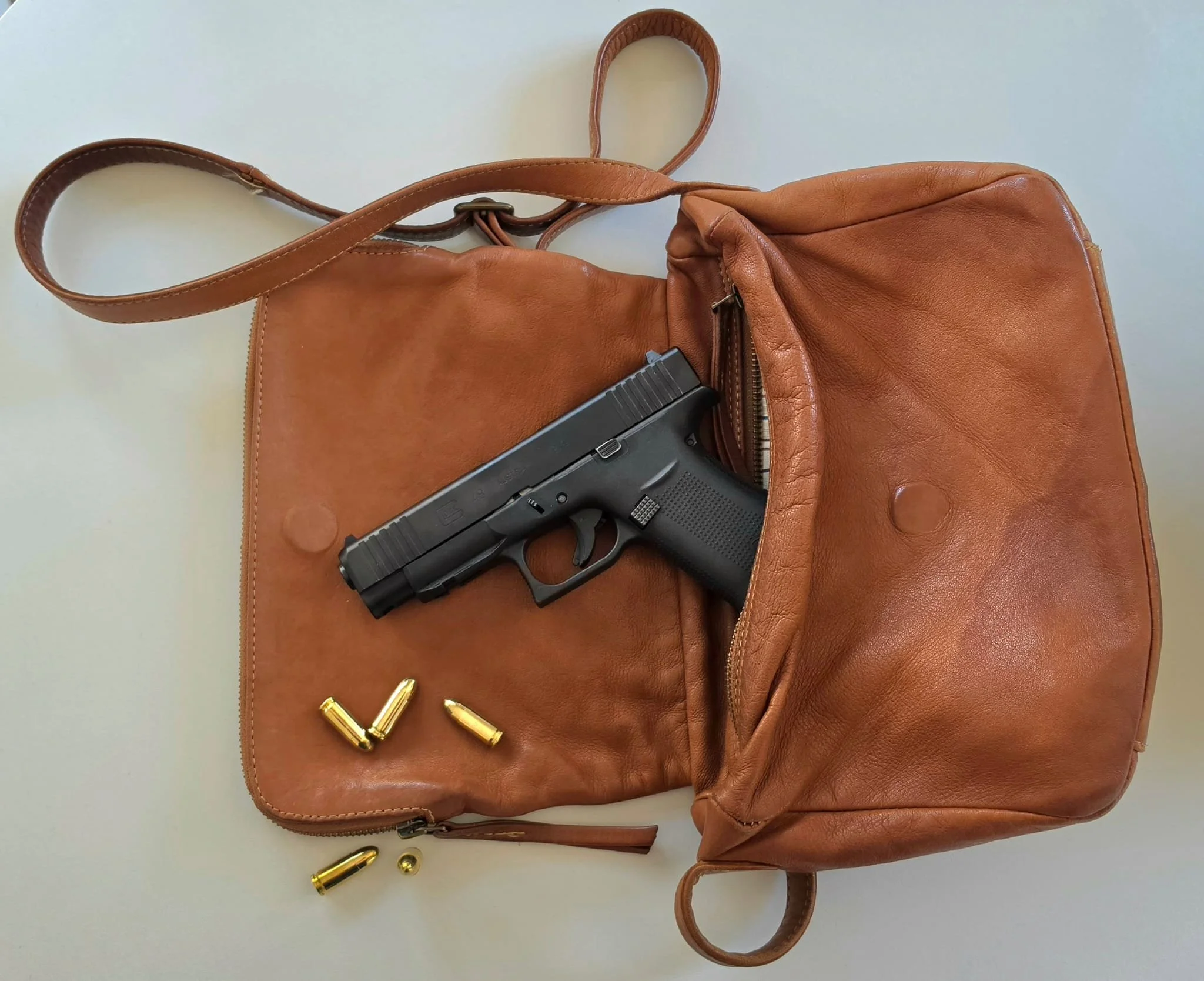
No permit is required simply to transport a firearm from one place to antoher (Art. 28 para. 1 WA). The law lists possible reasons for transporting a firearm, though this list is not exhaustive (“in particular”). These are:
to and from courses, exercises and events by shooting, hunting or airsoft weapons clubs and by military organisations or associations;
to and from an armoury;
to and from the holder of a weapons trading permit;
to and from weapons-related events;
when changing residence.
Thus. the law permits other reasons for transporting a firearm. The legislature deliberately chose not to define the permissible reasons for transport exhaustively, but rather to formulate them broadly and openly. However, the transport must not be used to circumvent the legal requirements for carrying a weapon (Message on the Federal Act on Weapons, Weapon Accessories, and Ammunition of January 24, 1996, p. 1072). For example, anyone who constantly keeps a firearm in their car is not transporting it but is carrying it as defined by law and therefore needs a permit to carry a firearm. Anyone who transports a firearm without a permit must e.g. during a traffic stop, be able to demonstrate that the firearm is being carried for a purpose that exempts them from the permit requirement (Message on the Firearms Act, p. 1072).
Methods of Transporting Weapons
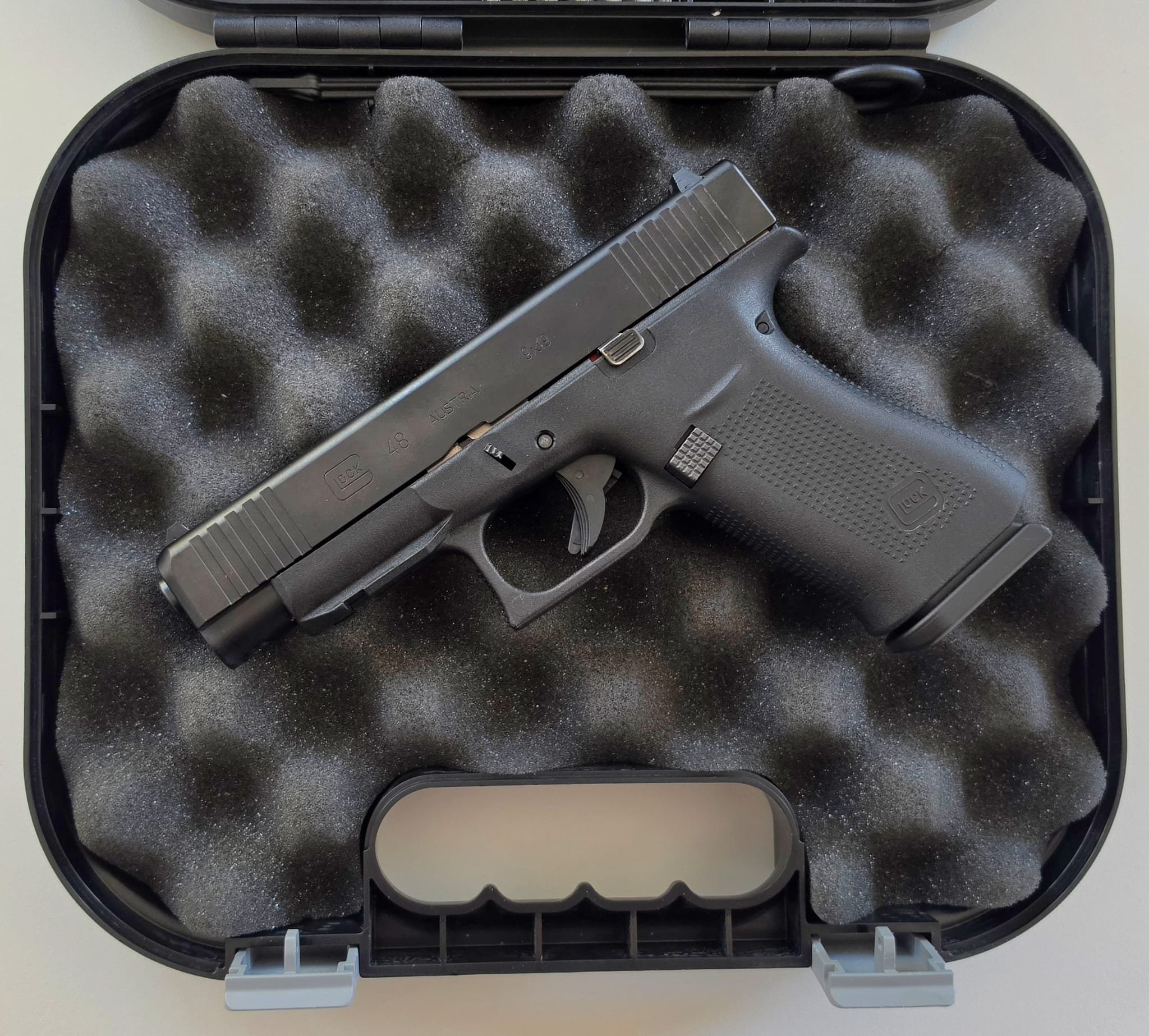
Regarding the method of transport, the law merely stipulates that firearms and ammunition must be kept separate during transport (Art. 28 para. 2 WA) and that no ammunition may be in the magazine (Art. 51 para. 2 WV). The requirement to transport firearms and ammunition separately does not mean that they must be carried in different bags or containers: According to the Federal Office of Police (fedpol), a firearm and its ammunition may be transported in the same bag. There is no requirement to keep them physically separated (e.g., the firearm in the trunk and the ammunition on the back seat).
During transport, the firearm must remain under the owner’s direct control. Although this is not expressly stated in the law, it follows from the purpose of the Firearms Act (Art. 1, para. 1, WA). Even during transport, firearms must be stored securely and protected from access by unauthorized third parties (Art. 26, para. 1, WA).
What is allowed?
The unloaded firearm and the ammunition may be stored in the same bag, trunk, etc.
The ammunition does not have to be stored in a separate container.
The empty magazine may remain inserted in the unloaded firearm.
What is not allowed?
The firearm must not be loaded.
No magazine transported may contain ammunition.
This also applies to magazines that are not inserted into the firearm.
Duration of the weapons transport
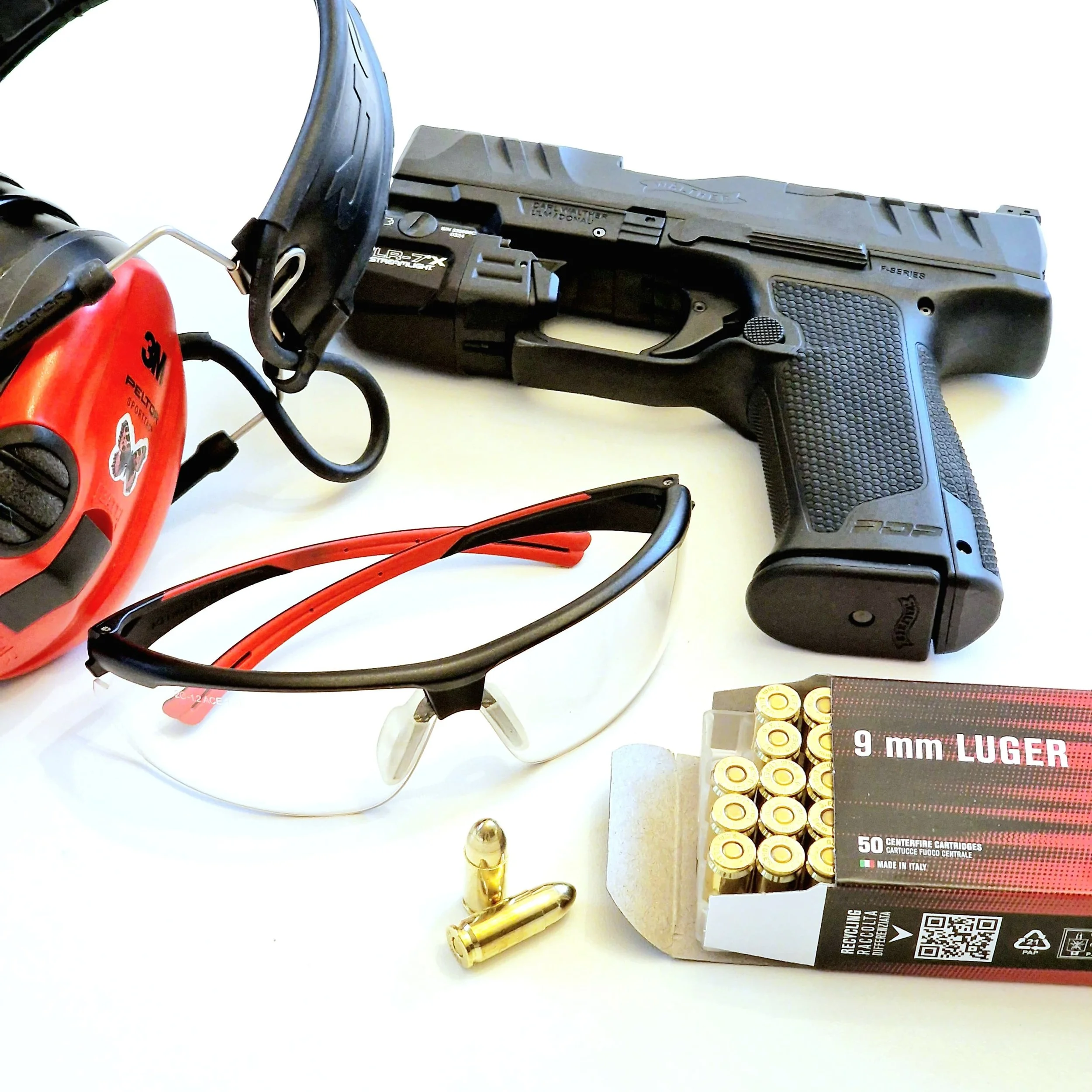
Under Swiss firearms law, there is generally no explicitly specified maximum duration for the transport of a firearm. A firearm may only be transported for as long as appears reasonable for the activity that justifies such transport (Art. 51 para. 1 WV). The explanatory memorandum to the Firearms Act (WG) states that the transport of the firearm must be reasonably proportionate to the performance of the activity. It matters whether the activity actually constitutes “transport” as defined by the Weapons Act or whether the conduct already qualifies legally as “carrying a weapon.” A longer period of transport is therefore not automatically prohibited. The phrase “appears reasonable” is a vague legal term. It requires a case-by-case assessment.
There is no decision of the Federal Supreme Court of Switzerland on this matter. However, the High Court of the Canton of Zurich ruled relatively leniently on this issue in 2015: A man picked up a Kalashnikov from a gun dealer. He did not have a permit to carry a firearm.
The facts of case:
He placed the firearm in the footwell behind the driver's seat of his car.
He drove to a colleague's place to celebrate his birthday.
He made another stop to pick something up.
He stopped at a food stand and ate a sausage.
He then went to a bar and continued celebrating there.
He left the gun in the car during that time.
Around 2 a.m., approximately 14 hours after he had picked up the Kalashnikov, he was stopped by the police. His blood alcohol level was 1.84 per mille.
In the meantime, a third person had taken the gun from the unlocked car. The defendant took it back from him.
The Higher Court expressly stated:
It is not always necessary to take the most direct route home.
Stops along the way and minor detours are generally permitted.
Even a trip lasting several days may still be reasonable under certain circumstances.
The duration of the trip alone does not determine whether a trip is still permissible.
In this specific case, the trip took about 14 hours due to a stop at a bar. The court concluded that this delay, on its own, did not constitute an abuse of the exemption from the permit requirement for transporting firearms. Another decisive factor was that the defendant remained within the same town and did not travel beyond the actual destination.
Whether the Federal Supreme Court would rule just as leniently remains to be seen.
Does the weapon have to be transported by the most direct route?
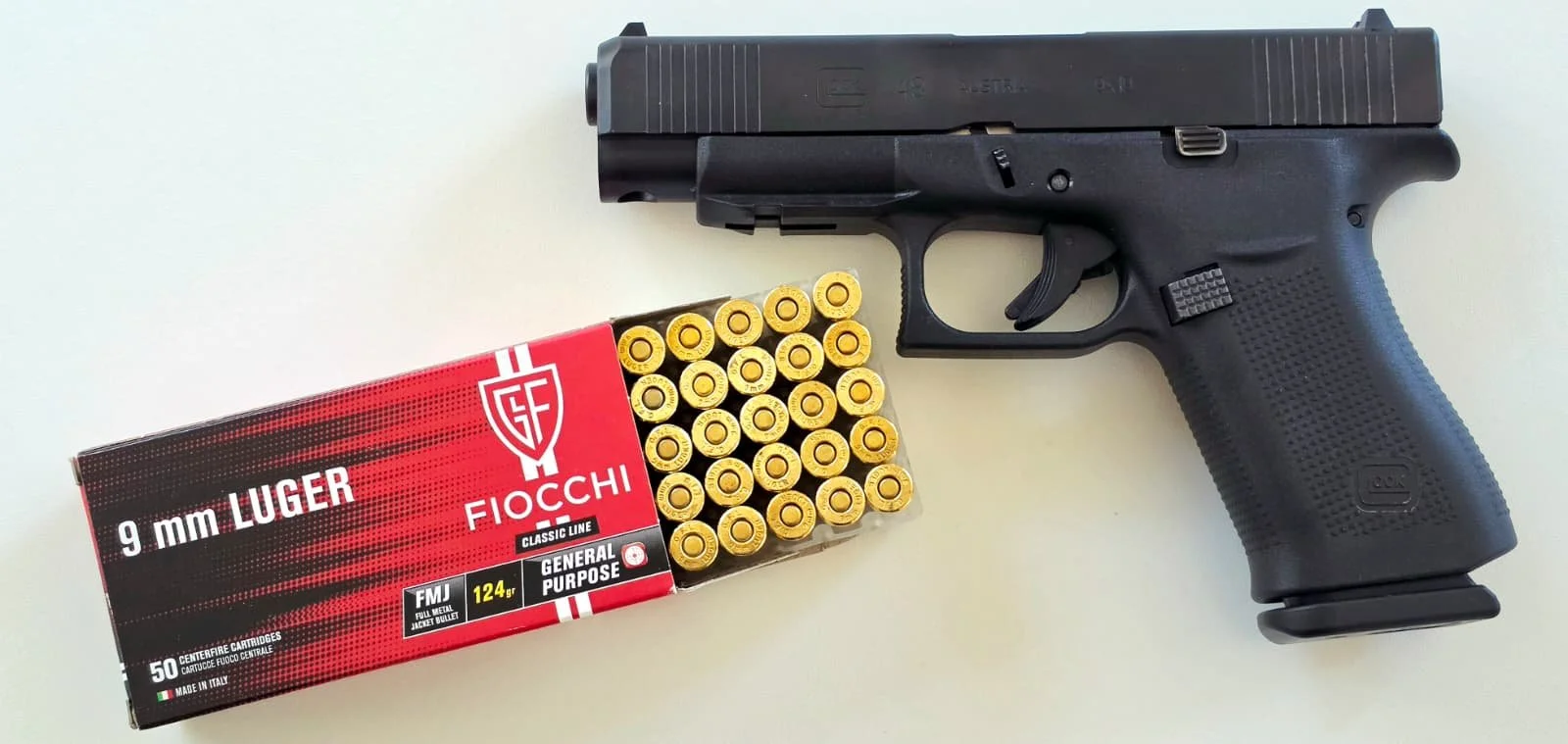
No. Many gun owners - and even government agencies - wrongly assume that a firearm may only be transported by the most direct route to the destination and back. That is incorrect. Neither the law nor the regulation requires transportation by the most direct route. The transport must be appropriate to the purpose, and there must be no disguised carrying of a weapon. Article 28 of the Weapons Act is intended to prevent anyone from carrying a weapon without a permit under the pretext of transport, in order to be armed.
Therefore, it depends not only on the external circumstances, but also on the purpose for carrying the item or the objectifiable intent of the person concerned.
To summarize…

There is no fixed time limit or generally applicable maximum time limit for the transport of weapons. Under certain circumstances, the transport of weapons may take several days. A stopover or delay alone should not be taken as evidence of a violation of the transport regulations.
There is no requirement for direct transport: stopovers and detours are permitted. The law does not require that a firearm must be transported by the shortest and most direct route possible, but rather that the transport is appropriate to the specific circumstances.
Each case must be evaluated on its own merits: Whether a transport is still appropriate must be determined based on the specific circumstances. The purpose, duration, and route of the transport are particularly important factors.
No concealed carrying of weapons: The key distinction is between transporting a weapon from one place to another and carrying a weapon for the purpose of being armed.
Last but not least
The transport of rifles that are compatible with pistol magazines can pose legal problems unless the appropriate exemption (e.g., a collector’s permit or a sport shooter’s permit) has been obtained. This applies in particular if a pistol magazine with a capacity of more than 10 rounds is carried at the same time, which can be loaded into both the rifle in question and a corresponding pistol.
An example of this would be a rifle (e.g., PCC) that is compatible with Glock magazines and was purchased with a weapon acquisition permit (WES). If such a rifle is transported together with a Glock pistol with a 17-round magazine, this could pose problems under firearms laws.