
Fascinating Sabah - Gomatong Cave
I admit it. I was a bit scared going into Gomatong Cave, having read a lot of - let’s say - unsettling things about it. I do hate cockroaches. Who does not? I do not like bat shit or bird poop. As guano - a highly effective fertilizer - I do not mind it but that’s it. I mean, didn’t Covid come from a bat? The idea of having to walk over a crusty mix of bird and bat poop, with cockroaches crawling allover the place, and even paying for it! Yet, I did it. I must be stupid… However, I do not regret it! At all!
Where and what is Gomatong Cave?
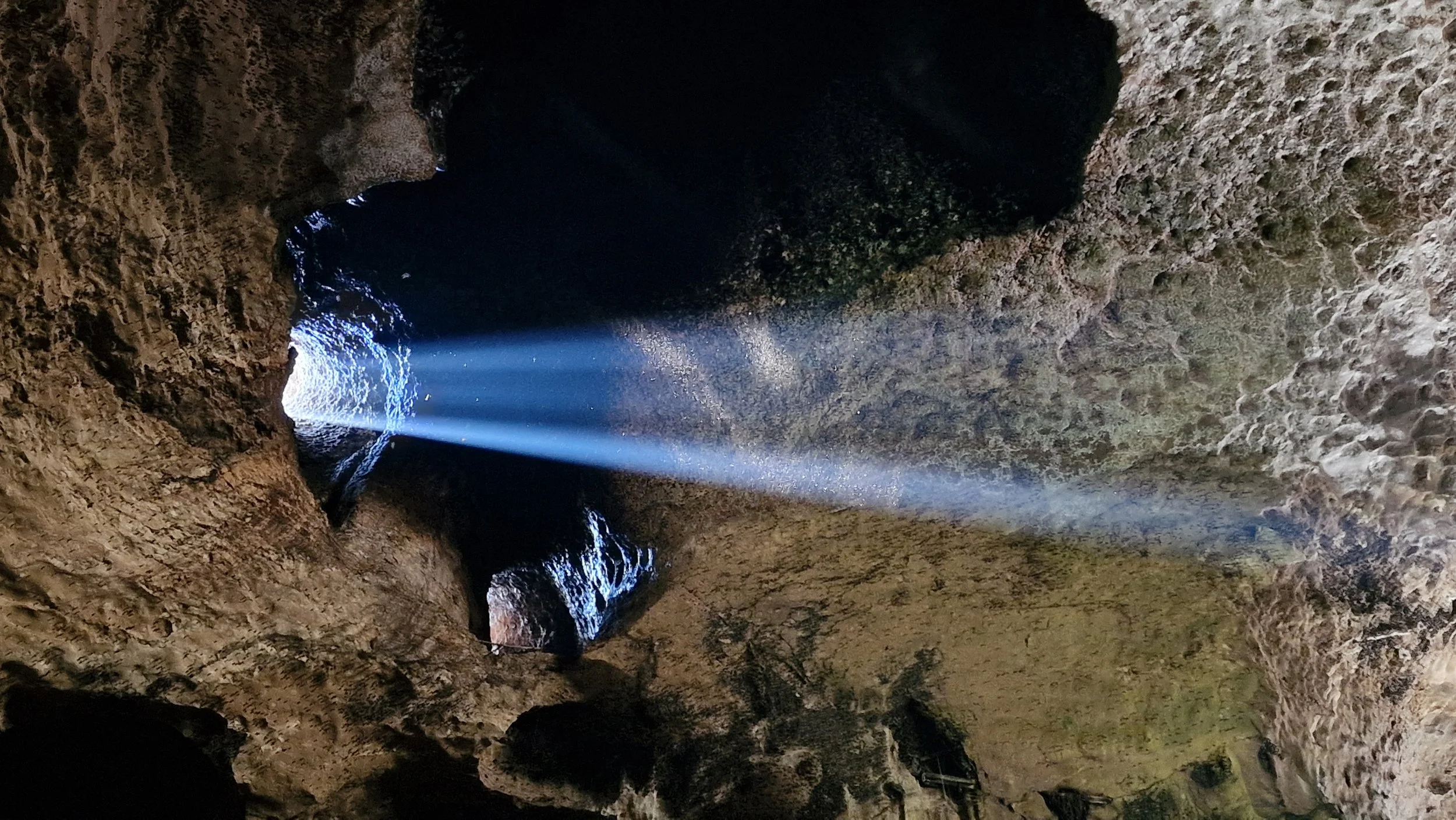
A visit to Gomatong Cave is an otherworldly experience.
Gomatong Cave is a huge cave located inside Gomatong Hill within the Gomatong Forest Reserve, in the district of Kinabatangan, about 110 km south of Sandakan city and about 1.5 hours car drive near the lower Kinabatangan River area, in Sabah, Borneo (Malaysia). The cave is inside a protected area for wildlife, especially orangutans.
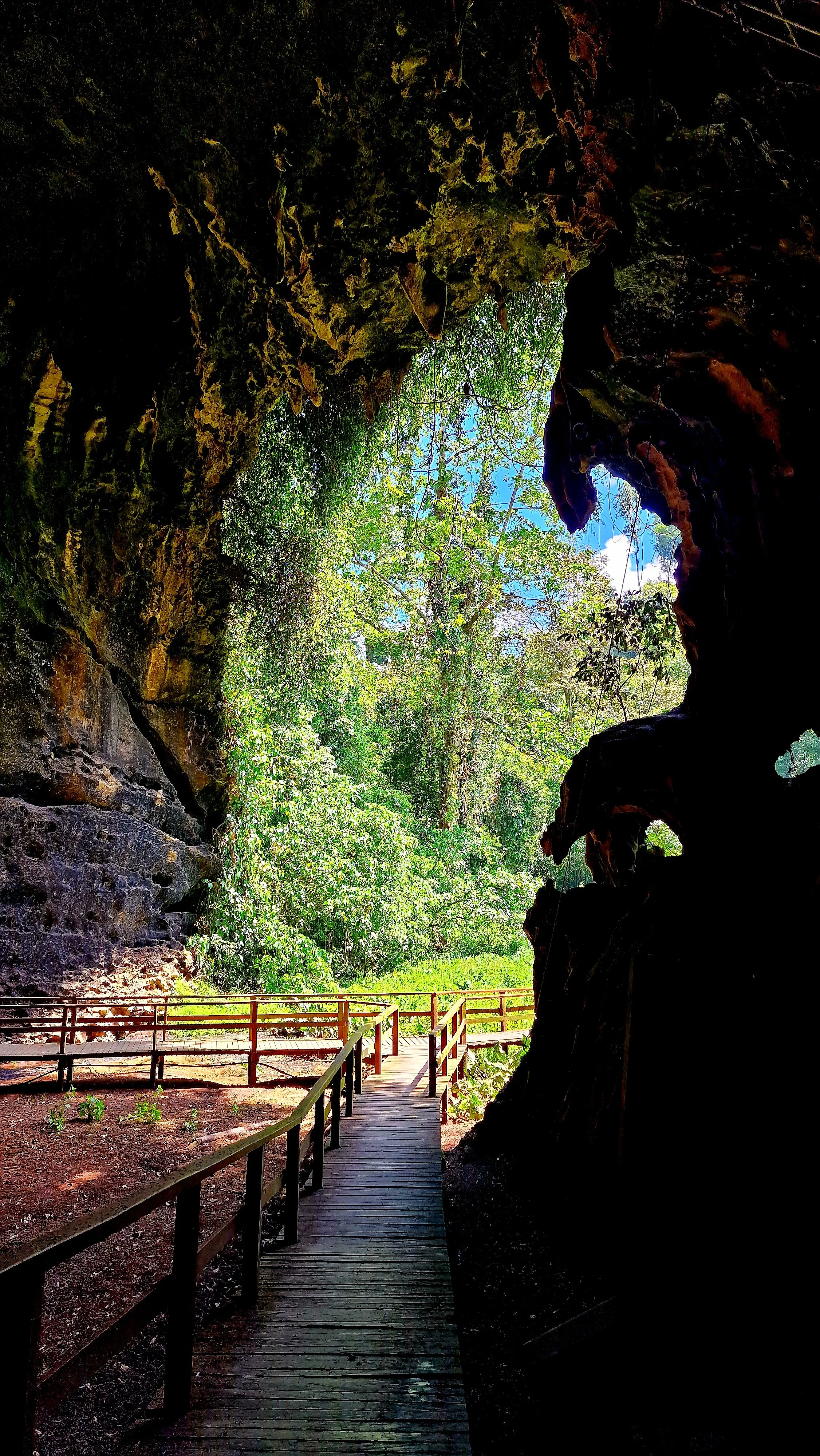
Gomatong Cave is inhabitated by many different species of animals. There are thousands of swiftlets, whose nests are harvested for bird’s nest soup.
For centuries, the caves have been renowned for their valuable edible swiftlet nests, which are harvested for bird’s nest soup. Yep, you read that right: there are people on our beautiful planet who make soup out of bird’s nests and eat it. Swiftlet nests have been used as a delicacy for over 400 years, especially in the Chinese and the Corean cuisine. It is one of the most expensive animal product consumed by humans. The most valuable of the nests, the white ones, can sell for around 4.500 Swiss Francs per kilo. The birds' nest collection is an ancient tradition, and takes place twice a year, from February to April and July to September. Locals with licenses climb to the roof of the cave, using rattan ladders, ropes and bamboo poles and collect the nests. The first collection takes place early in the breeding season before the swiftlets lay their eggs. The birds then make another nest in which they finally lay their eggs. After the young have fledged, the second collection is made.
The cave is open to the public to visit. The cave is not only home to thousands of swiftlets but also to hundreds of thousands of bats. And cockroaches. And centipedes. And you know, in Borneo, centipedes are not like our cute little centipedes in Europe. The are HUGE! And spiders. And rats. And if there are rats, there are snakes, that hunt rats…
So why would you want to go in there? Well, it is a beautiful cave. It really is. And it is a bit stinky. But you can wear a mask or a bring a shawl with a spritz of perfume and you will be good. Plus you have a chance to see some orangutans in the rainforest around the cave or some rare species of birds, which makes it an interesting place for bird watchers. If you know me, you know that I have a liking for caves, having visited Jomblang Cave and Pindul Cave in Java, Indonesia.
These were reasons enough for me to book it. It was part of the package I booked while staying at Tanjung Bulat Jungle Camp. Since I was the only person who booked the trip to Gomatong cave, I had Afiq from Lamag Wildlife Adventure as my private guide. I can warmly recommend to book your jungle experience with Lamag Wildlife Adventure!
What to expect?
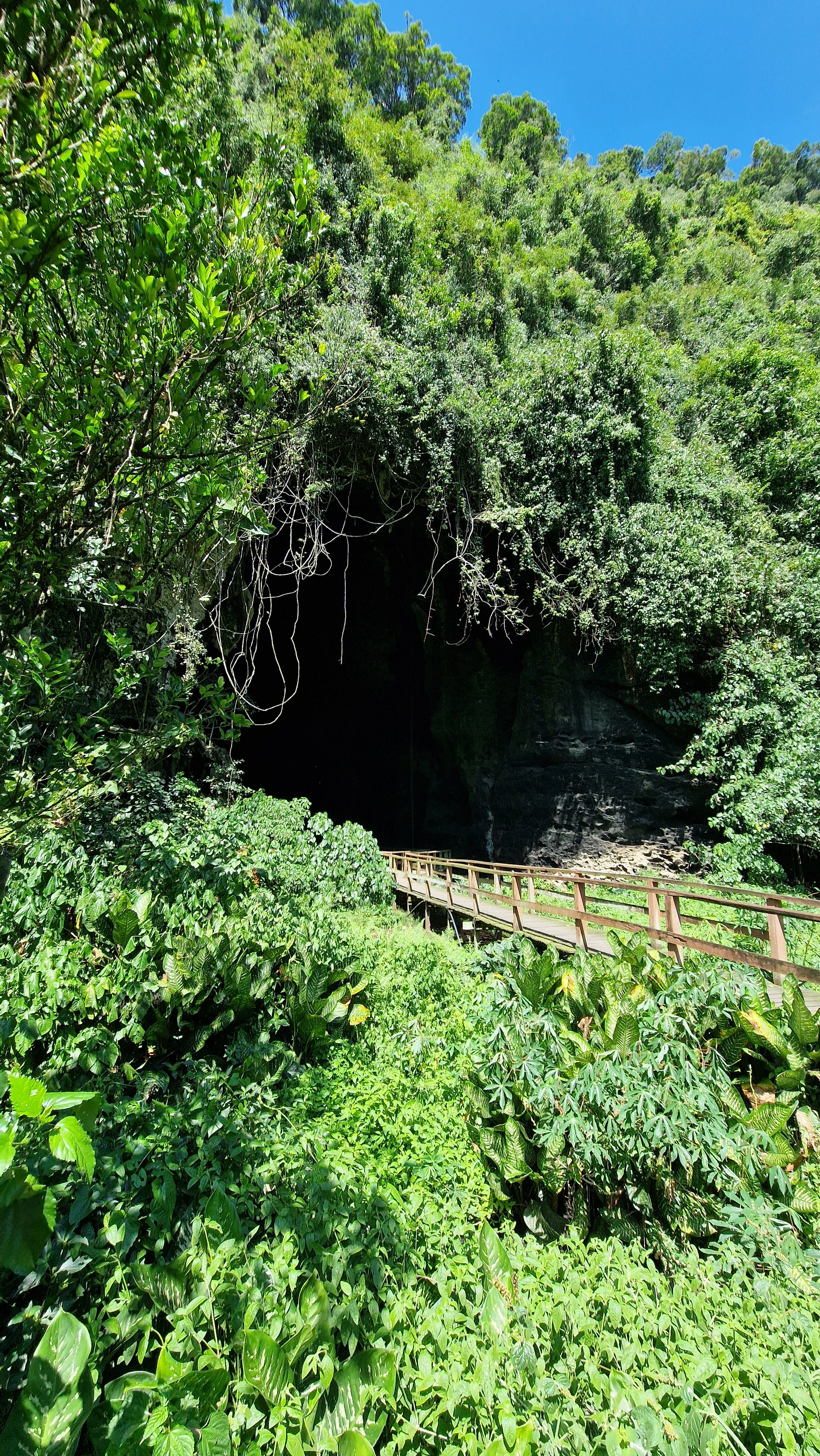
Gomatong Cave is surrounded by lush green rainforest.
I was picked up by Afiq by car in Lamag and he drove through the never ending palm oil plantations dominating Sabah’s landscape. However, since Gomatong Cave is located in a wildlife reserve, it is surrounded by tropical rainforest. Afiq told me that just a few days ago they spotted some wild orangutans in the trees right around the cave. Unfortunately, I was not as lucky. I did not see any wild orangutans in this area. I had to wait to see them while wildlife cruising in Sukau.
It is an easy 10 min walk from the visitor centre over some wooden bridges and a few stairs to Gomatong Cave. There is a little exhibition inside the visitor centre, where you get your entrance ticket and where you can learn about the bird’s nest collecting in Gomatong Cave.
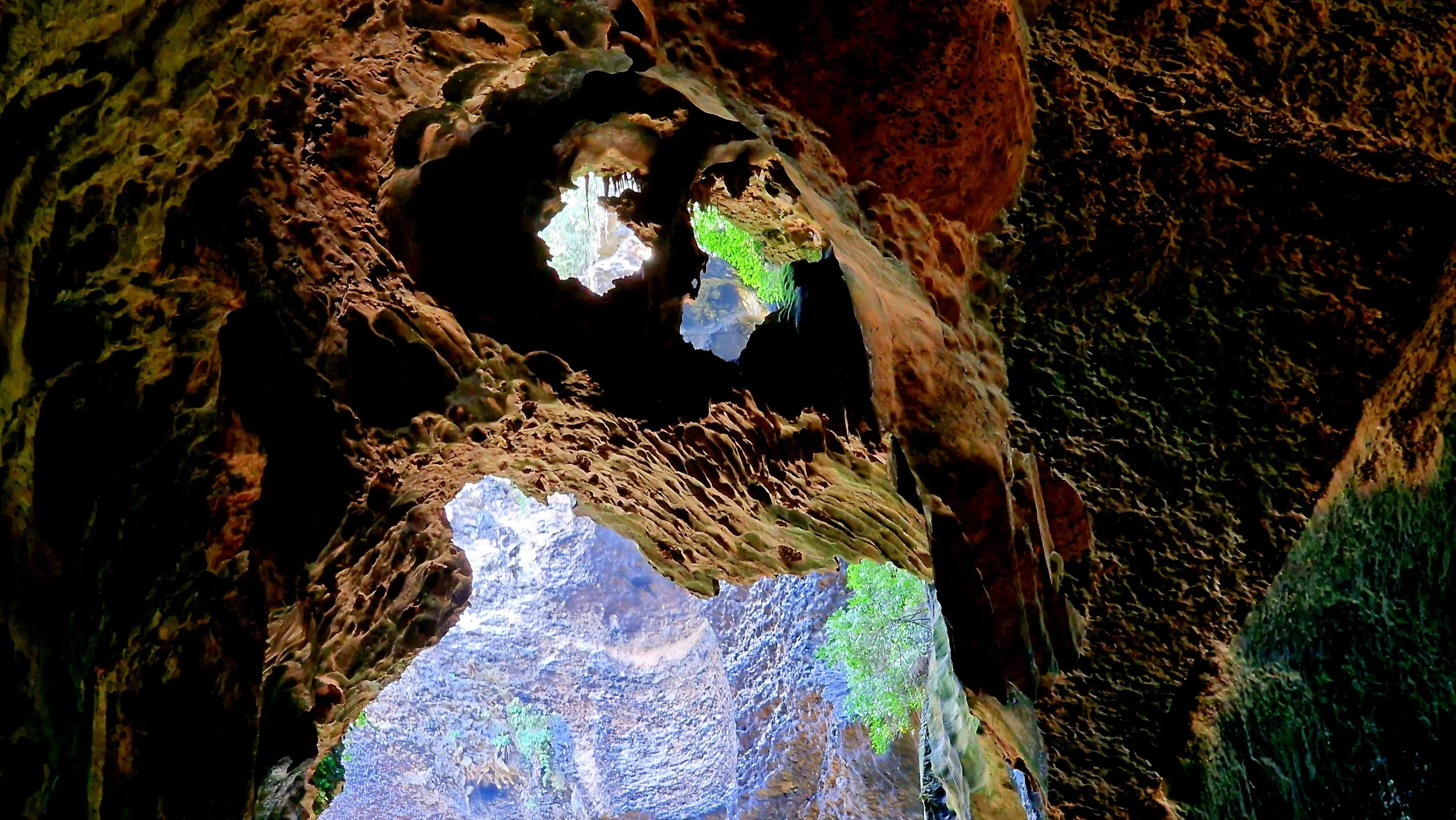
The entrance to the cave is huge and the cave itself is huge, reaching about 90 m of height. Even if you are claustrophobique, you can visit Gomatong Cave without a problem. Inside the cave, you will walk over more wooden bridges and stairs. There is a path going around inside the cave. Through holes in the ceiling, the sun is filtering inside the cave, creating beautiful beams of sunlight.
If you suffer of entomophobia, you better do not visit the cave! Besides the birds and the bats, which are mostly high up somewhere on the huge walls of the cave, there are thousands of cockroaches, centipedes and other creepy-crawly insects such as spiders running around on the floor. Therefore, wear closed shoes! And long clothes. And a hat. And absolutely do not touch anything! I slammed into a wall when stepping on a rotten wooden plank while trying to take a close up picture of a sleeping bat. Do not do that! I beg you. It was disgusting and I was so glad I had my hand sanitizer with me.
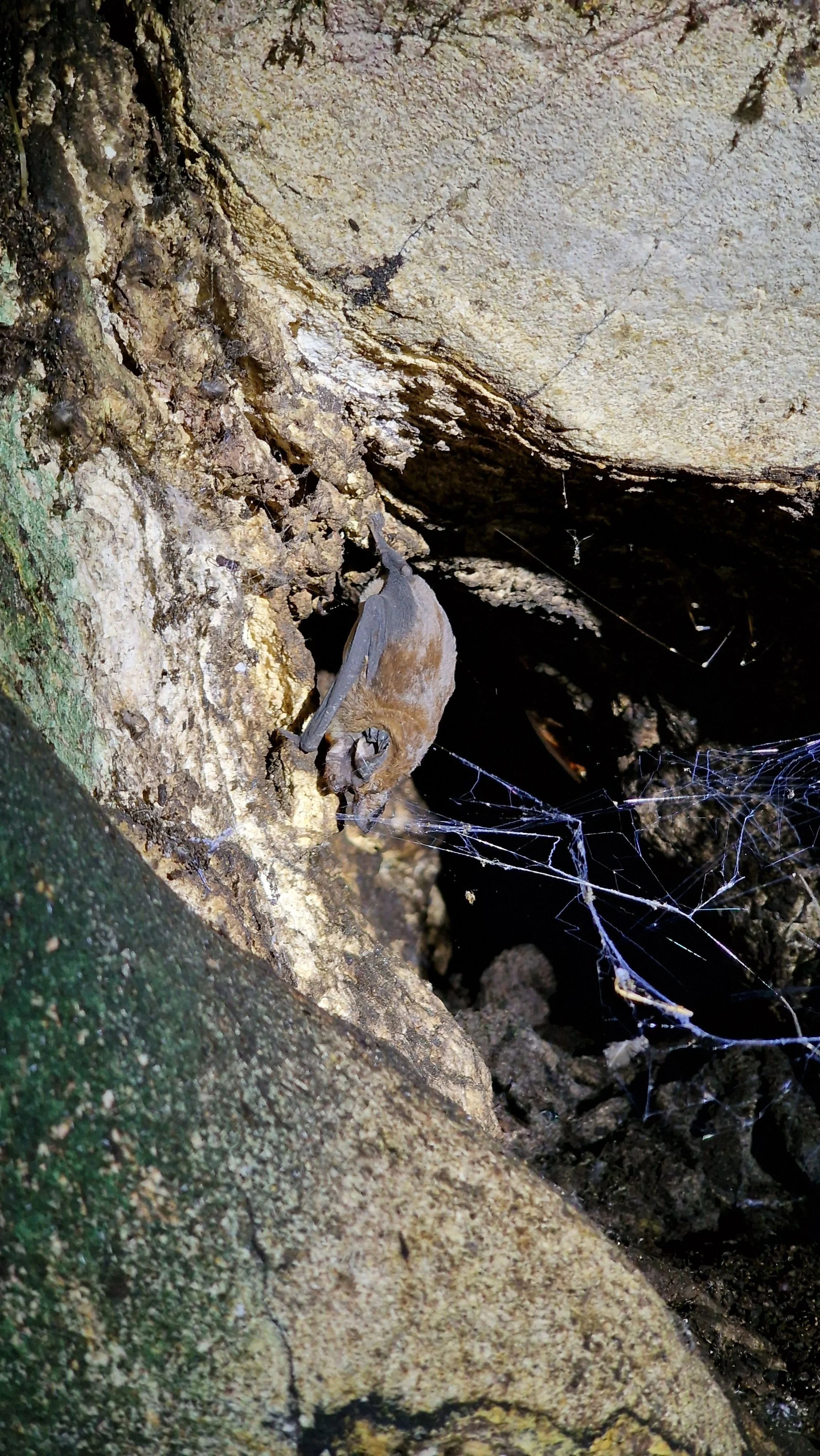
The bat that made me touch the poopy walls of Gomatong Cave…
However, the roaches, the centipedes, the spiders, the rats or the snakes will not attack you, as long as you do not touch anything and keep moving slowly. If you stand still, they might confuse you with a rock and start walking on you. But as long as you move, they will stay away.
The cave is a bit stinky due to all the bat poop. There is this sharp stench of guano. I was told that the stench is worse when it rains. I was lucky that it did not rain since a few days so I did not even had to wear the mask I brought. The walls and the floor are covered in bat and bird poop. So definitly wear good shoes! It can get slipper since it is humid inside the cave. You do not want to slip and fall on bat poop and kiss a roach-infected floor!
What to wear and what to bring?
Did I mention already that you should wear closed shoes? Here is some more to consider:
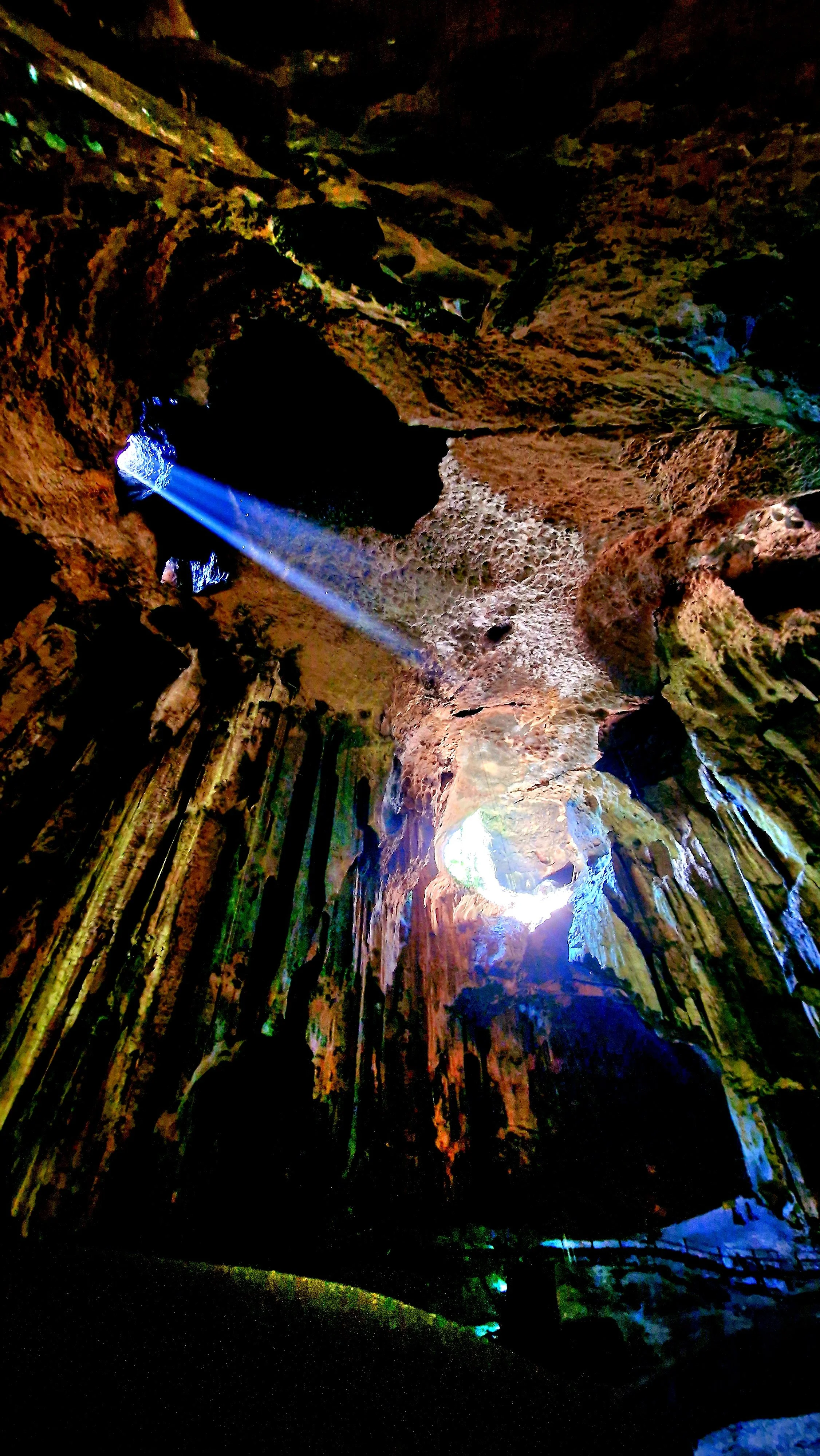
Gomatong Cave is spectacular. The pictures do not do it justice!
Closed shoes: I wore my hiking boots and I was really glad I did!
Socks: I wore socks inside my hiking boots and I put my pants inside my socks so that no roach had a chance to run up my pant leg.
Long pants: You do you but I wore long pants because I did not want to risk roaches running on my naked legs.
Long shirt with long sleeves: Same reason. And I was scared a bat would poop on me, so I wore a long shirt that I could button up.
A hat: Same reason. I did not want to get bat poop in my hair.
A shawl or a mask: If the stench is unbearable for you, you can put on a mask or wrap the shawl around your face.
Hand sanitizer: There are restrooms outside the cave where you can wash your hands but if you have a happy little accident inside the cave like I had, then you want to quickly be able to desinfect your hands.
Disposable gloves: Then you are on the safe side.
Your camera: The cave is beautiful and you definitly want to take some pictures!
What else? The usual: Money, sunscreen sunglasses, enough water, maybe a snack…
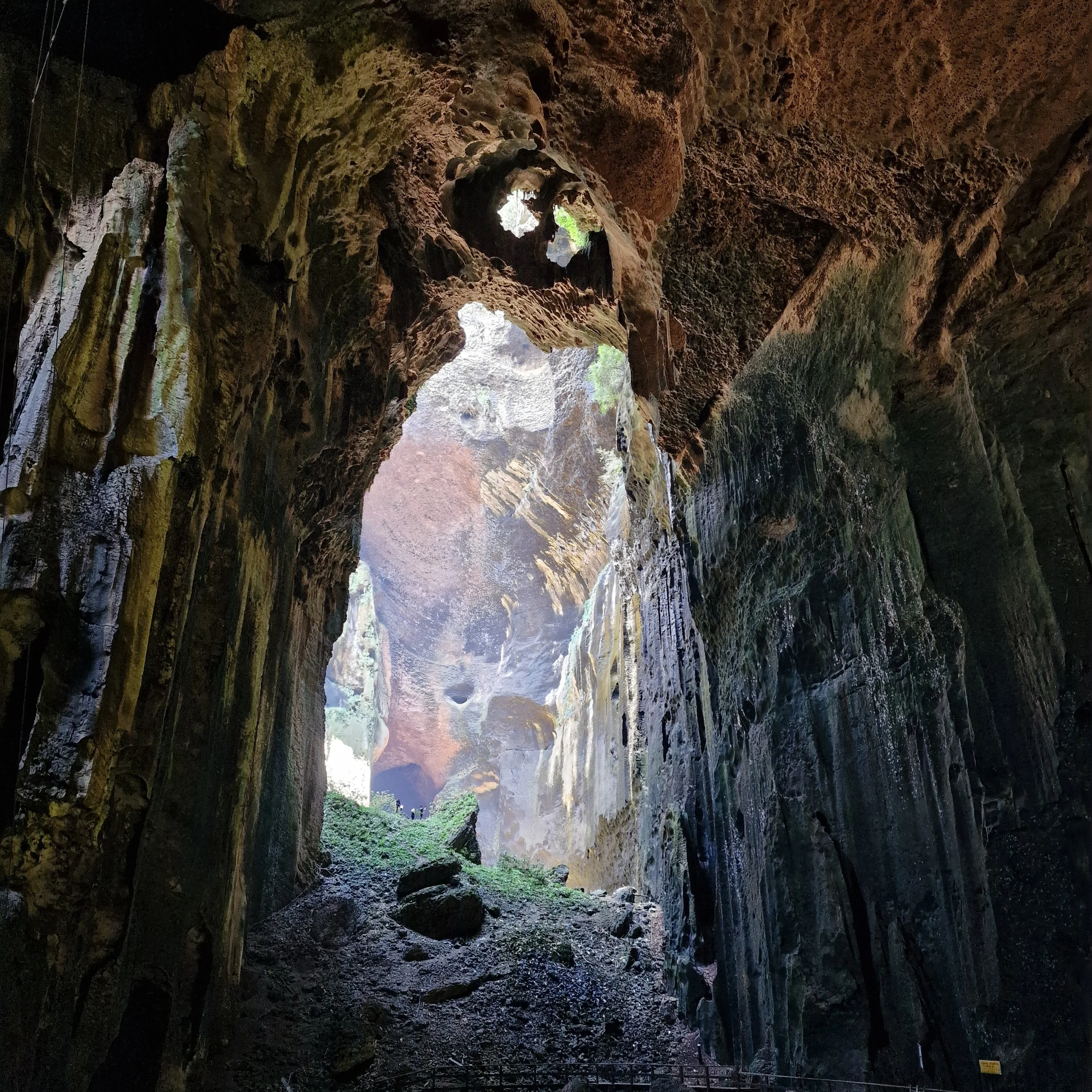
It is possible to explore Gomatong Cave further than just the walk around the wooden bridges, however, you need a guide and proper gear to do so.
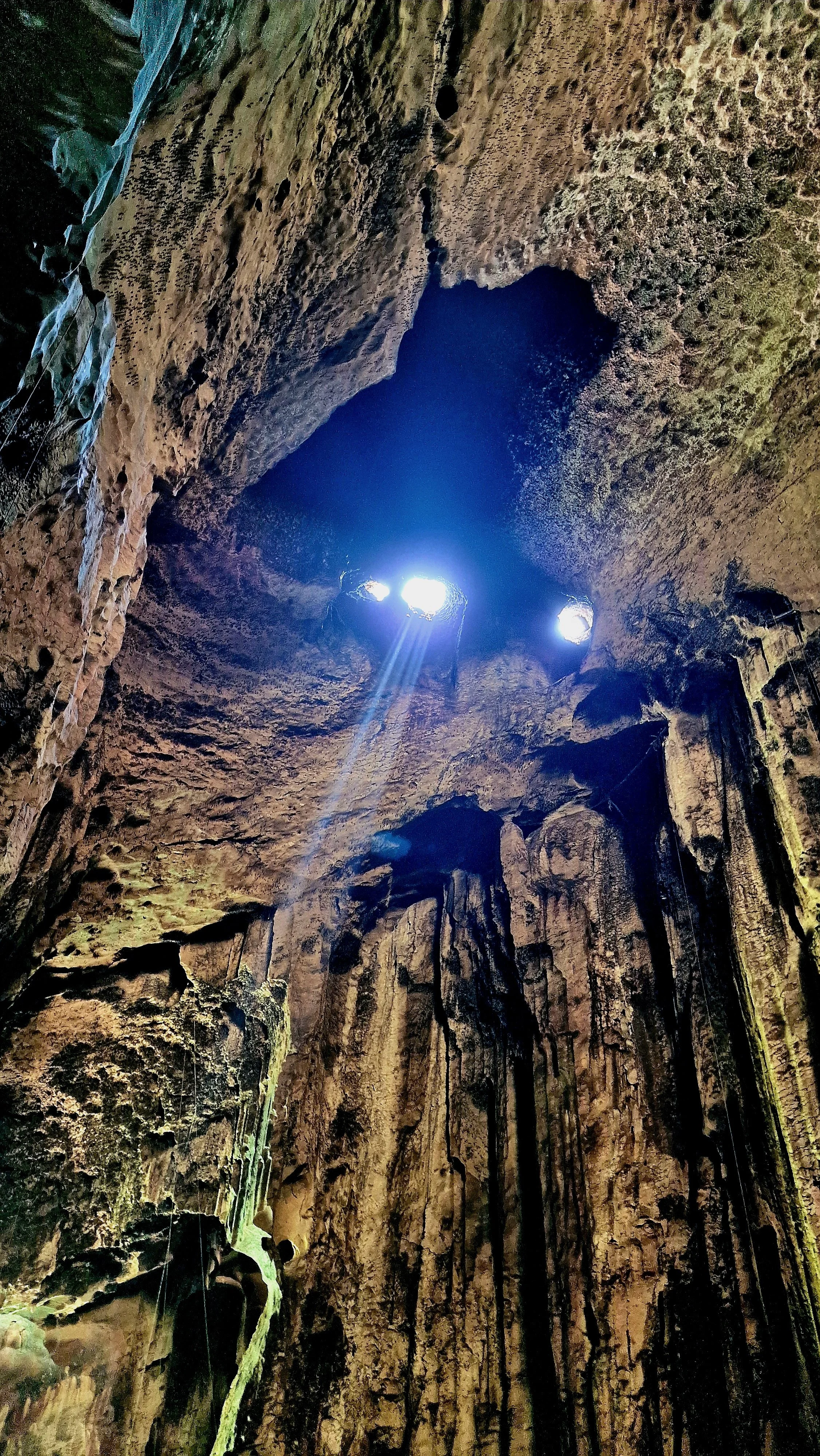
Make sure to look and admire the light beams.
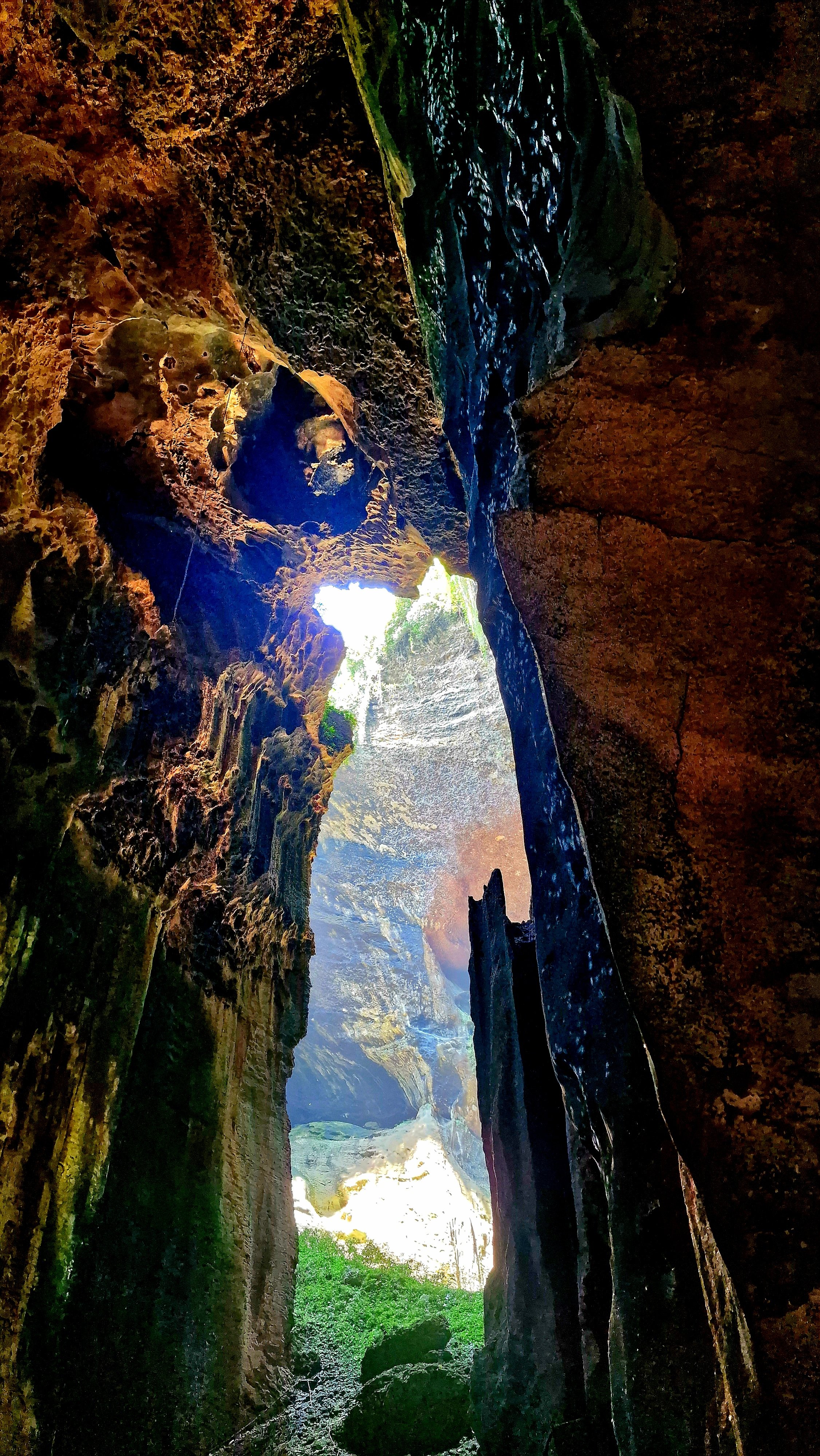
You can see the ladders and ropes for colleting the nests inside the cave.
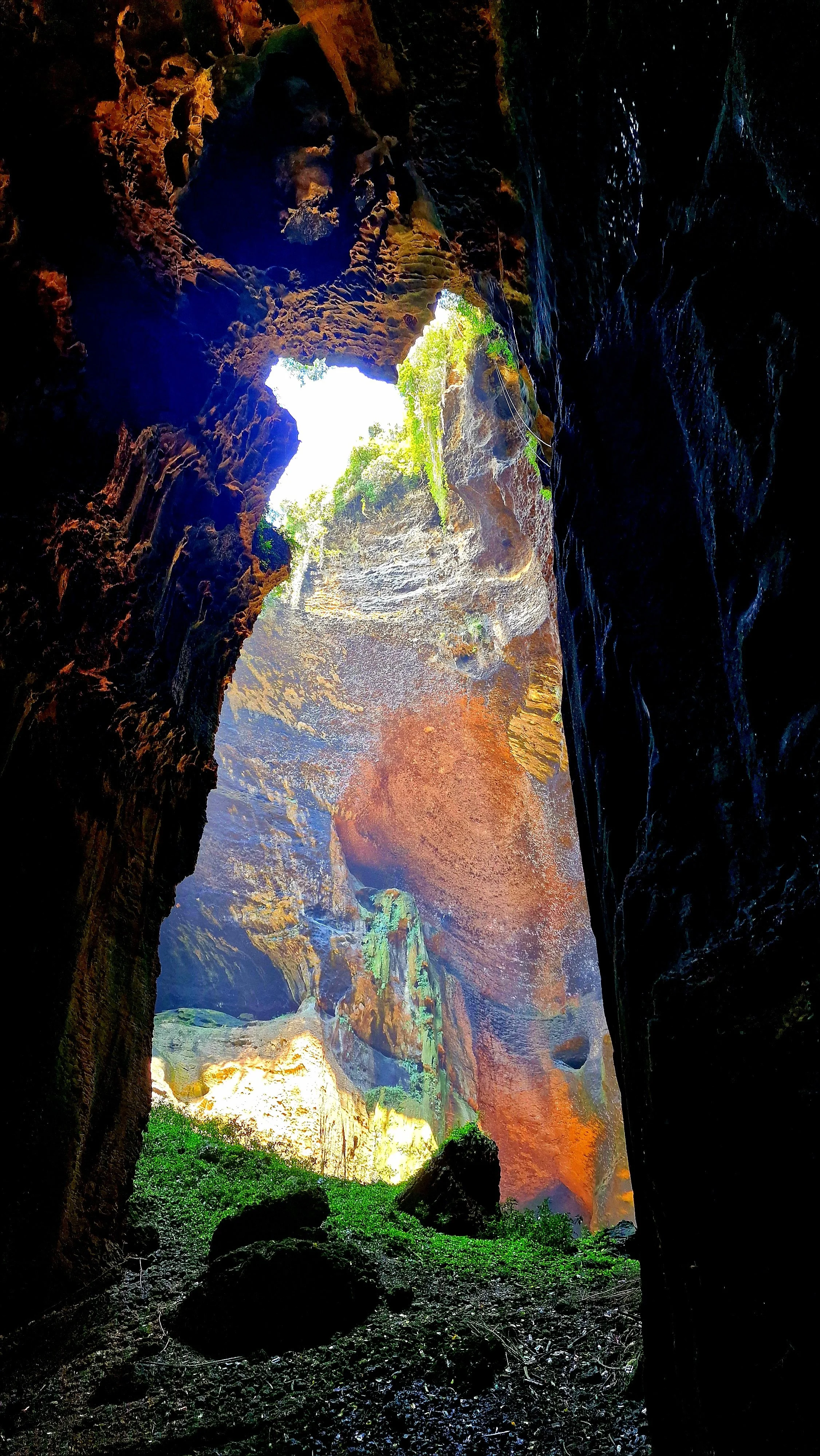
You can see the swiftlets fly around. For the bats, you have to wait for sunset.
More about Sabah, Borneo
Into the wild - Wildlife cruising at the Oxbow lake in Lamag
Orangutans, Sun Bears and the rainforest - Four days in Sepilok
Hiking and snorkeling in Sabah, Borneo - Dohey Bulang, Mantabuan and Sibuan
Peninsular Malaysia and its small islands
Travelling through South East Asia? What about…
Subscribe to gracefulinsights.space WhatsApp Channel